
Power bank size: how big a power bank do you need
What size power bank do you need? A simple way to match capacity to your phone, plus when a bigger power bank is a worse buy for your day.
Amine Haddad3 min read
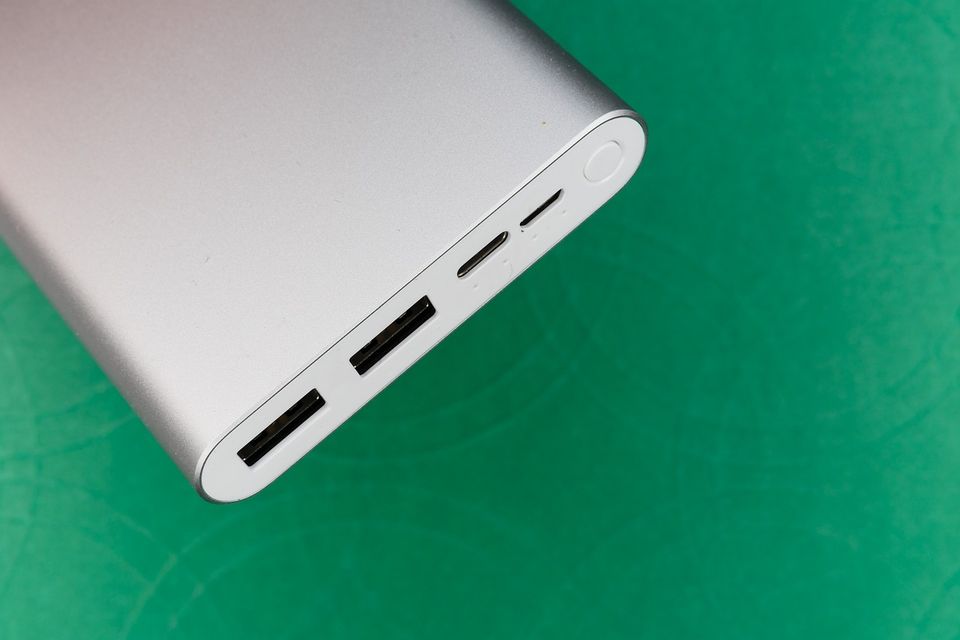
Verdict: most people need a power bank of around 10,000 mAh. It is small enough to carry daily and gives a phone a couple of charges. Bigger ones are for trips and tablets.
The size of a power bank is given in mAh, short for milliamp hours. It is a measure of stored energy. Bigger number, more energy, more weight. This page shows how to work out the power bank size you need.
The decision rule
- Find your phone battery size. It is on the maker's spec page, in mAh.
- Divide the power bank size by that number.
- Multiply by about 0.6.
The 0.6 is a rough allowance for energy lost as heat during charging. Real results vary.
A worked example with round numbers
Say your phone battery is 4,000 mAh, and your power bank is 10,000 mAh.
10,000 divided by 4,000 is 2.5. Multiply by 0.6 and you get about 1.5 charges. That is enough to get a phone from empty to full and then half again.
A 20,000 mAh bank in the same test gives about three charges. A 5,000 mAh bank gives under one, so it works as an emergency top up.
These are examples. Check the numbers for your devices.
What else sets the size
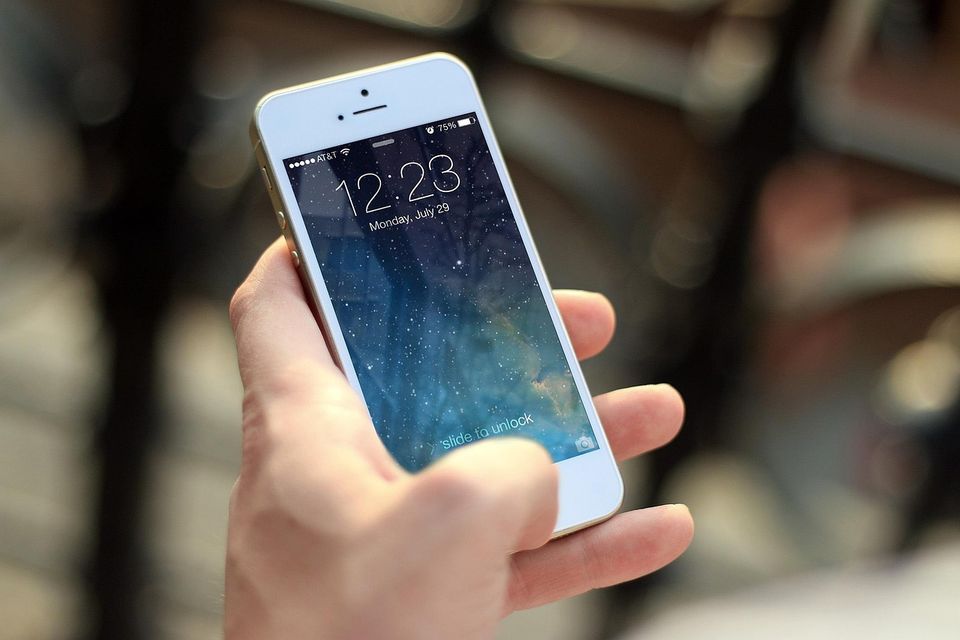
- Tablets. Tablet batteries are often 7,000 to 10,000 mAh or more. A phone sized bank gives one partial charge.
- Weight. A 10,000 mAh bank is typically pocket size. A 20,000 mAh one is noticeably heavy.
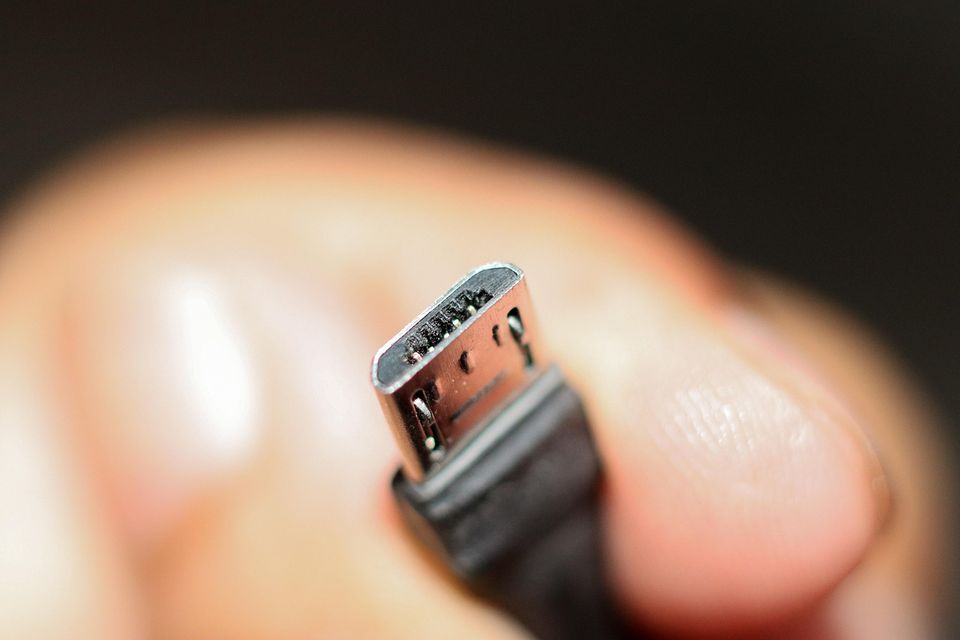
- Charging speed. Fast charging needs a bank and a cable that support it. Check the watt rating on both.
- Flights. Airlines and aviation authorities set limits on power banks in carry-on bags. Check your airline before you fly. Power banks usually must go in hand luggage, not in checked bags.
Which size for which person
- Commuter or day out: 5,000 to 10,000 mAh.
- Weekend trip or long day with a tablet: 10,000 to 20,000 mAh.
- Camping or several days without a socket: 20,000 mAh or more, and think about a solar option.
Ruling: buy the smallest size that covers your longest day without a socket, plus a little spare.
Safety basics
Use a power bank from a maker that lists its safety marks and has a returns policy. Do not use one that is swollen, hot or damaged. Do not charge it under a pillow. Follow the maker's manual and local guidance on lithium batteries.
For related buying advice, see wired vs wireless earbuds and smartwatch vs fitness band, since both also need charging.

Common mistakes
- Buying the biggest one and leaving it at home because it is heavy.
- Using a long, thin cable that charges slowly.
- Forgetting to charge the bank itself.
- Ignoring the airline rules.
Quick questions
What size power bank do I need for a phone?
A 10,000 mAh bank gives most phones one to two charges.
Is 20,000 mAh too big?
For daily carry, often yes. It is heavy. It suits trips and tablets.
Why does my power bank not charge my phone fully?
Some energy is lost as heat and in conversion. The real number is lower than the printed one.
Can I take a power bank on a plane?
Usually yes, in hand luggage. Check your airline and the aviation authority rules for size limits.
More to read
Keep reading
Phone case vs screen protector: which one first
Phone case vs screen protector: if you can only buy one, buy the case. It guards corners and the back, and it helps the screen survive falls.
Amine Haddad2 min read
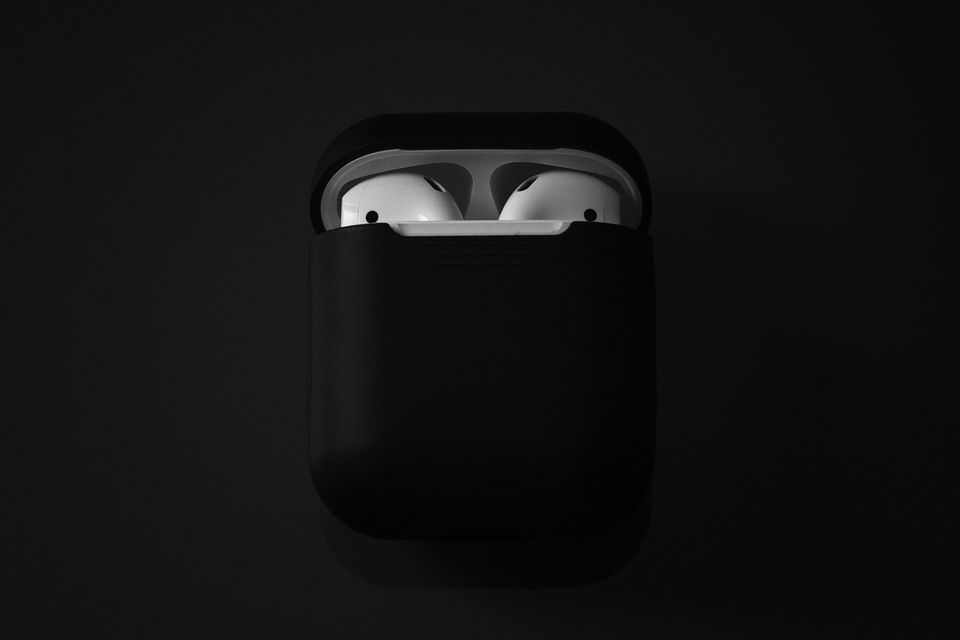
Wired vs wireless earbuds: which should you buy
Wired vs wireless earbuds compared on delay, battery, loss, commuting, calls and cost. Verdict: wireless for daily use, wired for cheap, steady sound.
Amine Haddad4 min read
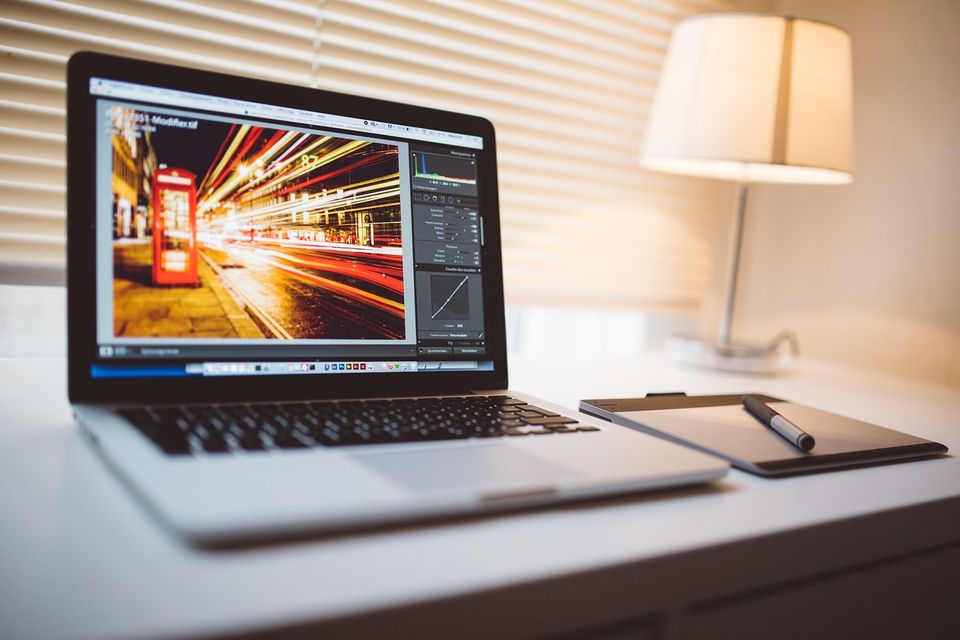
Laptop vs tablet for study
A tablet is better for reading and notes. A laptop is better for essays, files and anything that needs a real keyboard. Here is how to rule on your course.
Amine Haddad4 min read
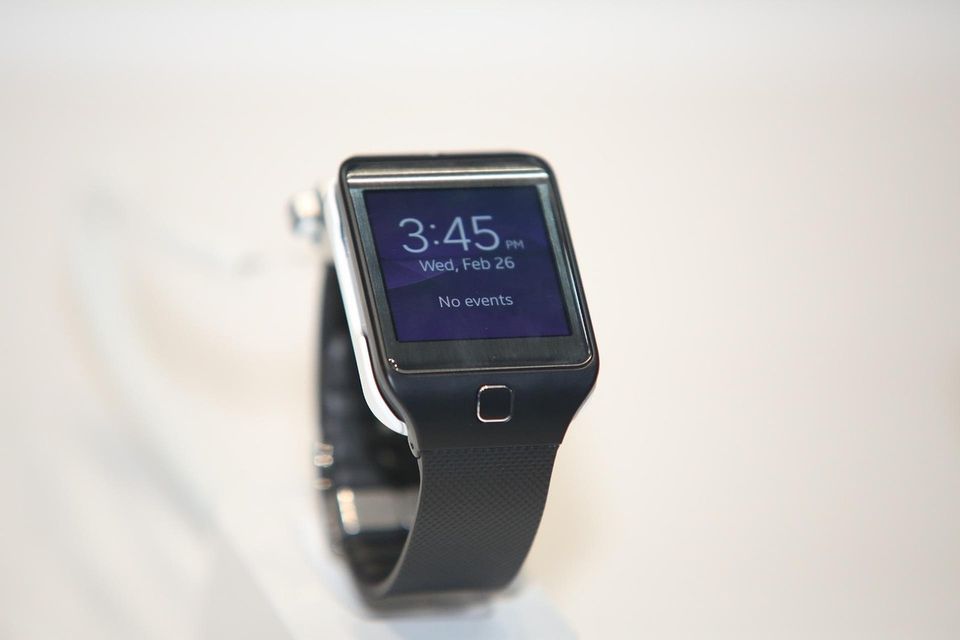
Smartwatch vs fitness band: which one do you need
Smartwatch vs fitness band? Pick a band for long battery life and a low price, and a smartwatch if you want apps, replies and a bigger screen.
Amine Haddad4 min read

SSD vs HDD for an old laptop: will an upgrade help
SSD vs HDD for an old laptop? An SSD usually makes it start and open programs much faster, but it cannot fix a weak processor or low memory.
Amine Haddad4 min read

E-reader vs paper books for travel: which to pack
E-reader vs paper books for travel comes down to trip length. Pack the e-reader for long trips and flights, and a paperback for the beach or a short break.
Amine Haddad4 min read