
Wide fit vs regular fit shoes: how to know which you need
Wide fit vs regular fit shoes: signs your feet need a wider shoe, how to measure them at home, and why a bigger size is not the same fix.
Camille Laurent2 min read
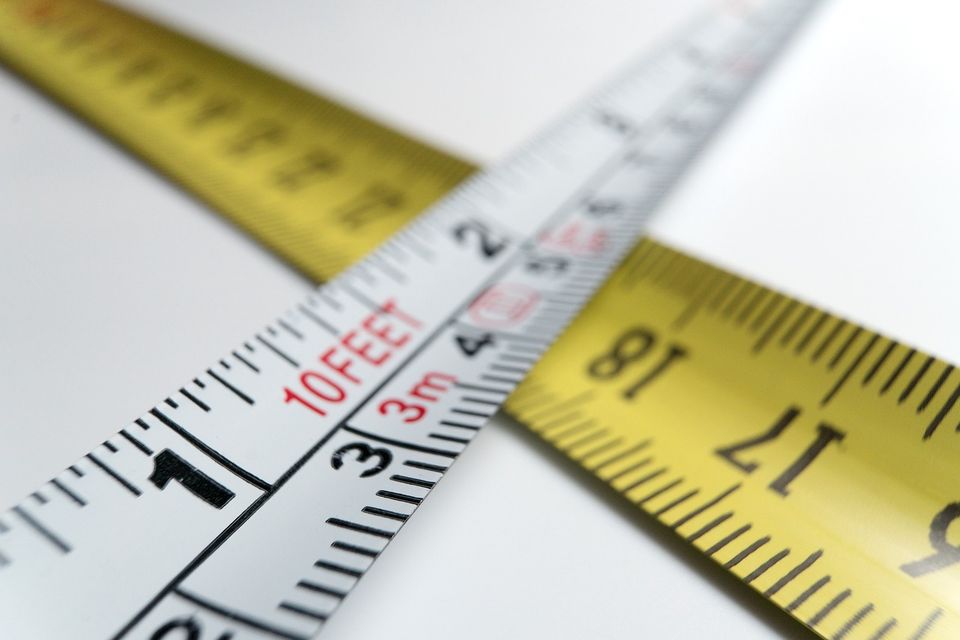
Do you need wide fit or regular fit shoes? If the right length still pinches at the sides, you probably need wide. A bigger size is not the same thing.
Shoe sizes mostly describe length. Width is a separate scale, and many standard shoes come only in one width.
Signs you need wide
- Red marks across the side of your foot after wearing shoes.
- Toes crowded, or the little toe rubbing the upper.
- You buy a longer size and your heel then slips.
- Bunions or sore spots on the ball of the foot.

How to check at home
- Stand on a sheet of paper in the evening, when feet are largest.
- Trace around the foot with a pen held straight.
- Measure the longest point and the widest point.
- Compare to the maker's size chart. Many give a width label, such as standard, wide or extra wide.
Charts differ by maker, so use the one on the page you buy from.
The reason a longer size fails
If you go up a size to get width, the shoe grows longer too. Your heel may then slide, and your toes can catch on the front. A wide fit adds room across the foot without adding length.
The exception
Some shoes are naturally roomy in the toe box and do not need a wide label. Soft knit uppers also stretch a little. If you have pain, swelling or a foot shape that has changed, ask a podiatrist. Foot size can change over the years.
See running vs walking shoes for how to pick the right type once you know your fit, and slip-on vs lace-up shoes for how closures change it.
More to read
Keep reading
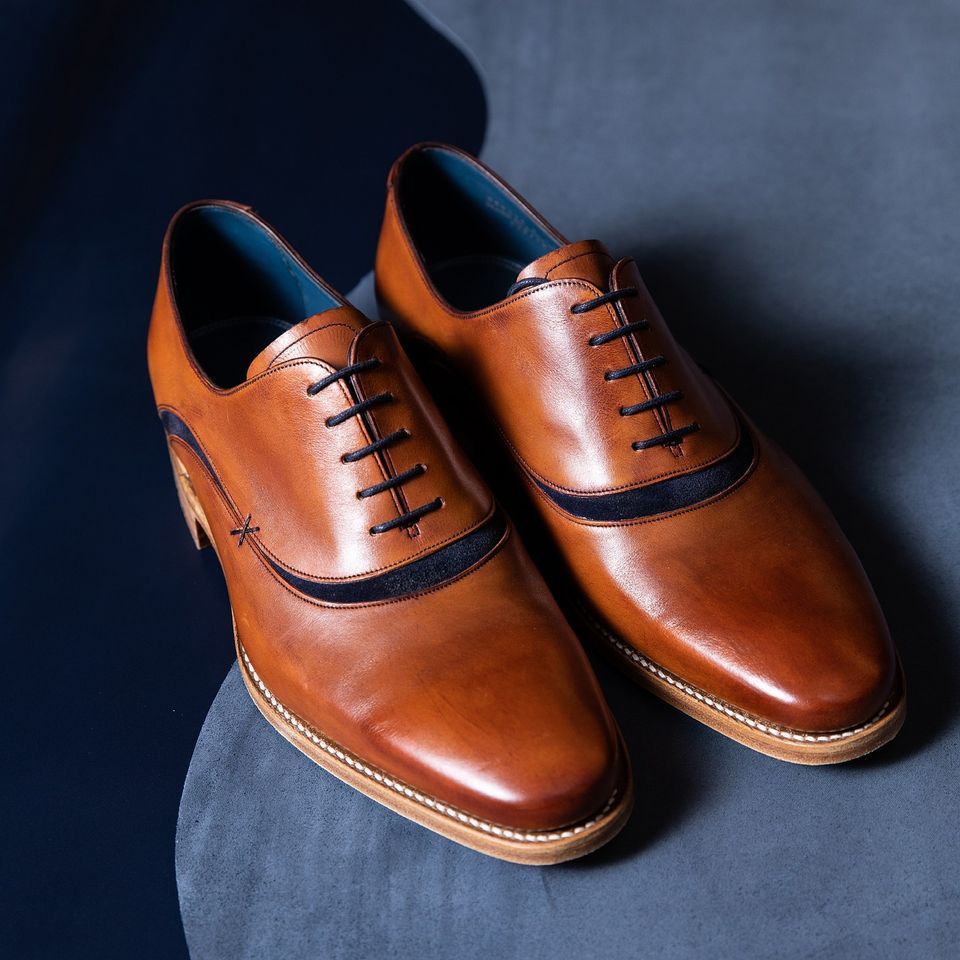
Leather vs canvas shoes in the rain: which holds up
Leather vs canvas shoes in the rain: how each handles wet weather, drying, care and lifespan. Leather wins in the wet, canvas wins when it is warm.
Camille Laurent4 min read
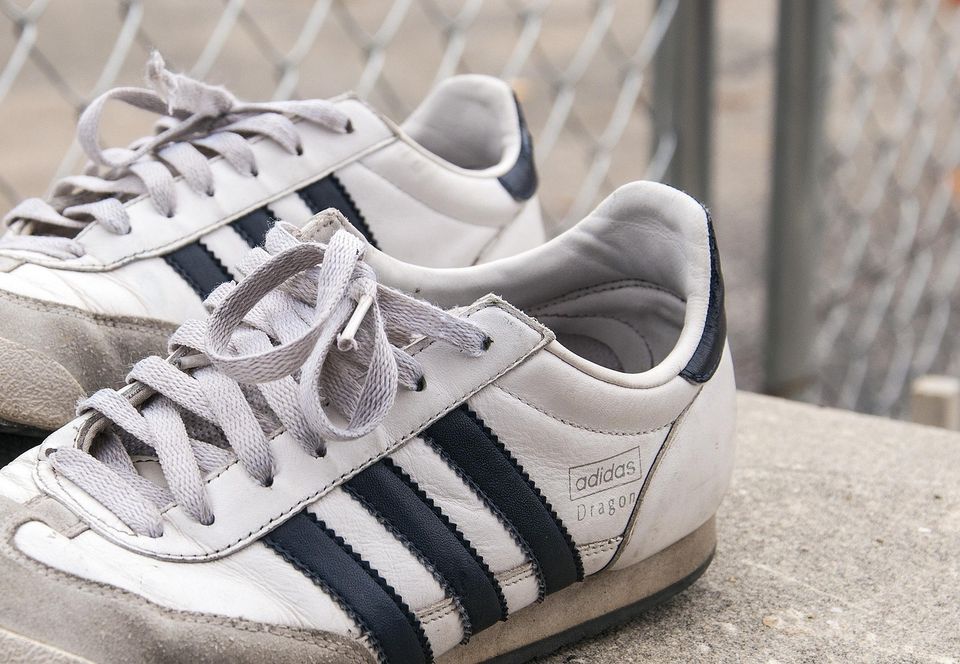
Sneakers vs trainers: the difference, and when it matters
Sneakers vs trainers: mostly a UK and US word difference. Learn what to look for when buying athletic trainers or casual sneakers.
Camille Laurent2 min read

Running shoes vs walking shoes
Running shoes cushion repeated impact. Walking shoes support a roll from heel to toe. Which fits depends on how you move and how long you are on your feet.
Camille Laurent2 min read
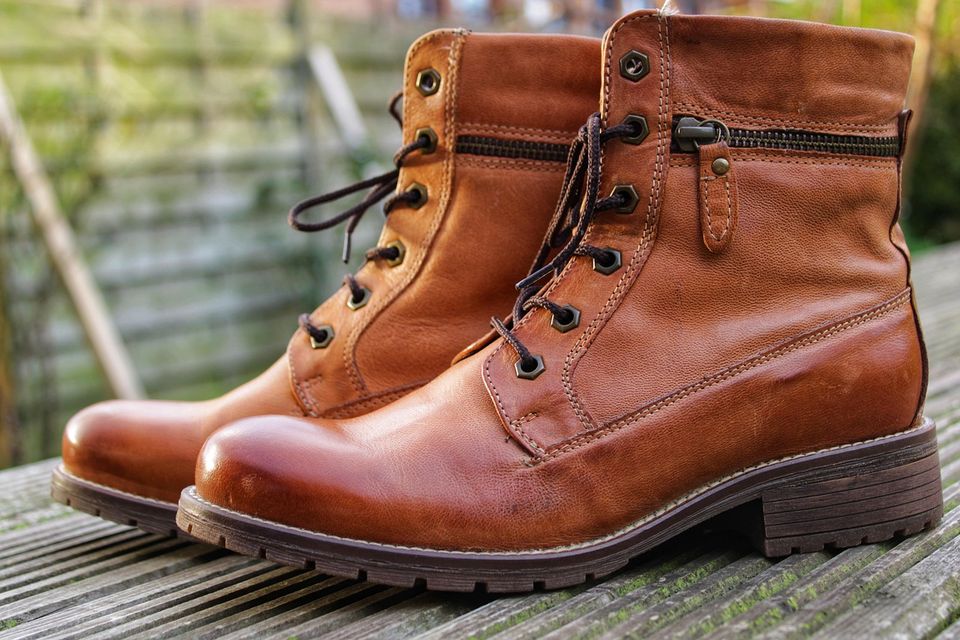
Boots vs shoes for winter walking: when to switch
Boots vs shoes for winter walking: boots keep feet warmer and drier in snow and slush, while shoes are fine on dry pavement. Learn where to switch.
Camille Laurent3 min read
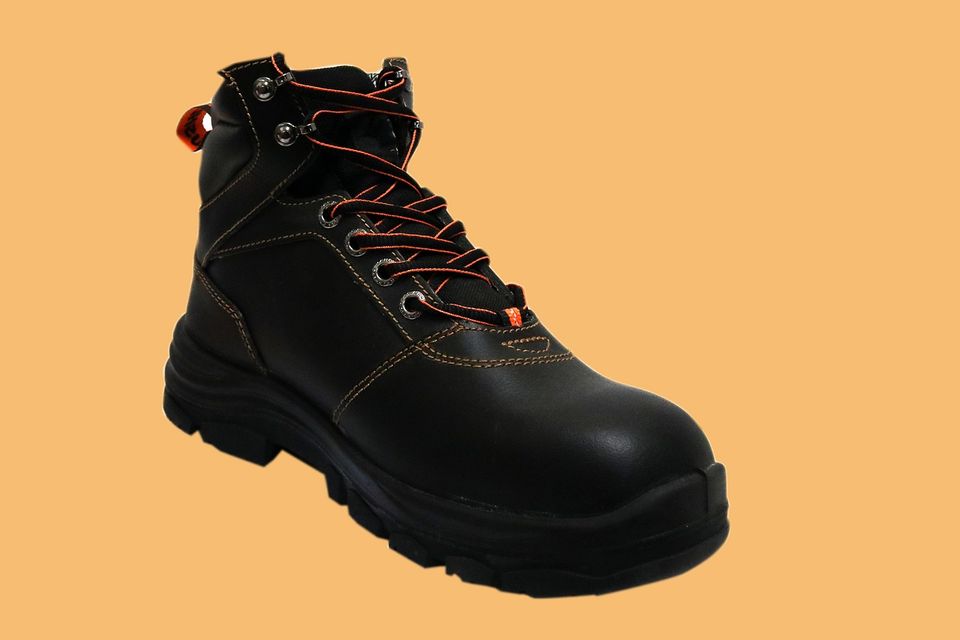
Slip-on vs lace-up shoes: which fits better all day
Slip-on vs lace-up shoes: lace-ups hold the foot better for long days and sport, while slip-ons win for speed and ease. Here is the simple rule.
Camille Laurent2 min read
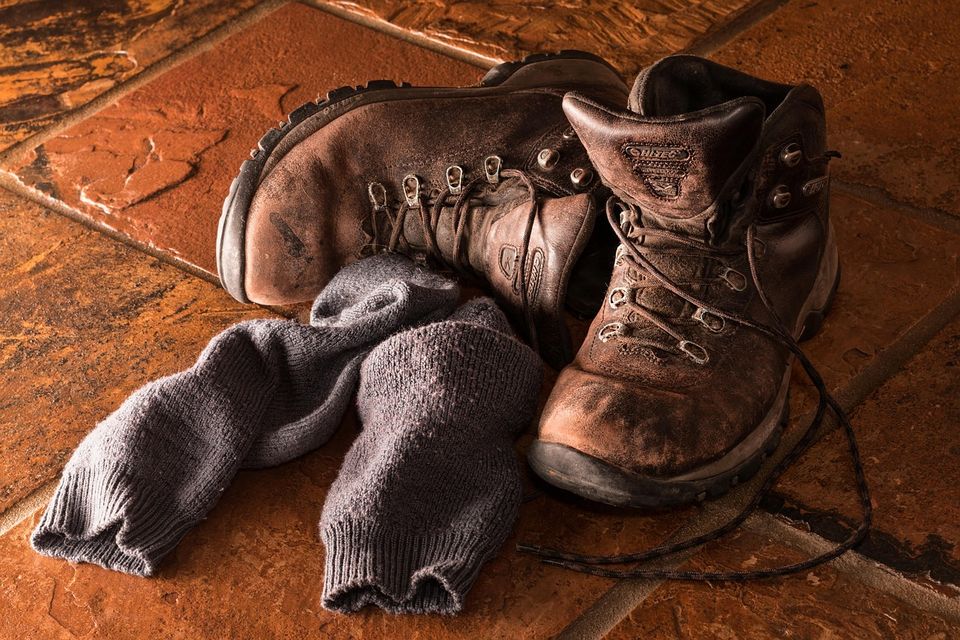
How to tell if running shoes are worn out: 6 checks
How to tell if running shoes are worn out: six simple checks for the sole, midsole, upper and fit, plus a rough guide on when to replace a pair.
Camille Laurent4 min read