
Boots vs shoes for winter walking: when to switch
Boots vs shoes for winter walking: boots keep feet warmer and drier in snow and slush, while shoes are fine on dry pavement. Learn where to switch.
Camille Laurent3 min read
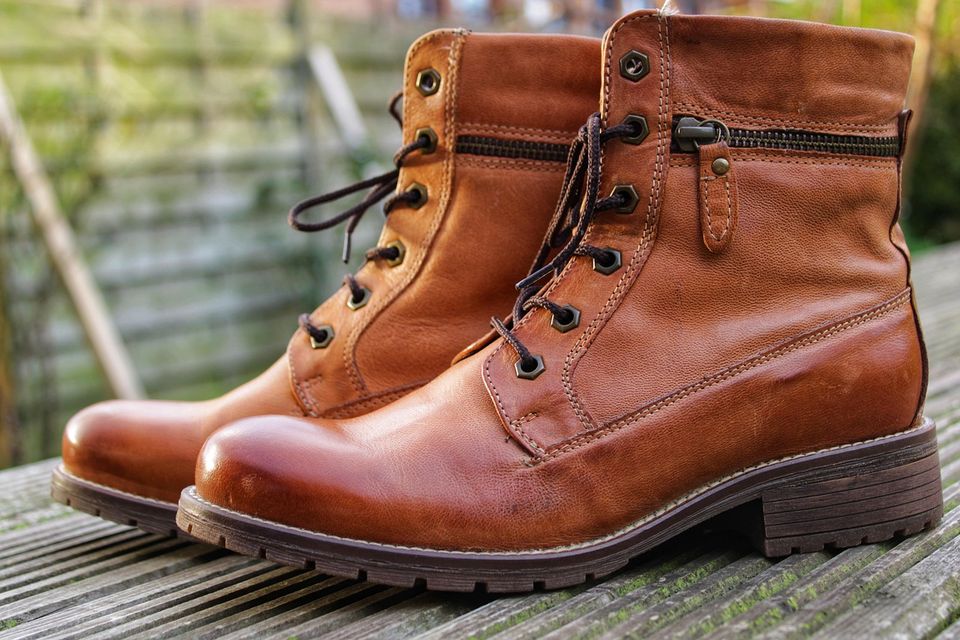
Verdict: boots win whenever the ground is wet, icy or cold enough to hurt your feet. Shoes win when the walk is short and dry.
Boots vs shoes for winter walking comes down to three things: water, grip and warmth. A shoe can do one or two of them. A good boot does all three.
Which wins on
| Factor | Boots | Shoes |
|---|---|---|
| Staying dry | Boots. Higher sides, often waterproof | Shoes let water in from above |
| Warmth | Boots. Thicker, often lined | Shoes need warm socks |
| Grip on ice | Boots. Deeper tread | Shoes. Many have flat soles |
| Weight | Shoes. Lighter and easier | Shoes |
| Dry pavement | Tie | Tie |
| Ease of wearing | Shoes. On and off fast | Shoes |
| Ankle support | Boots | Boots |
Pick boots if
- There is snow, slush or standing water on your route.
- You are outside for more than twenty minutes.
- Your feet get cold easily.
- You walk on trails or uneven ground.
Pick shoes if
- You go door to door, such as car to office.
- The ground is dry and clear.
- You wear warm socks and a spare pair is at work.
- You need to take them off often.
What makes a boot good for winter
Look for these, in order:
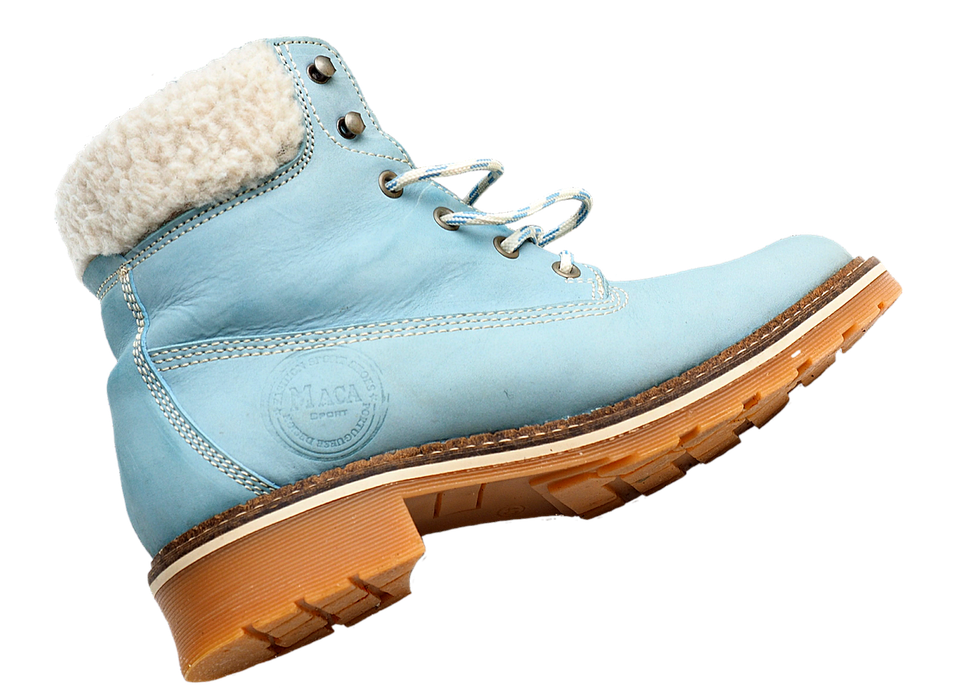
- A grippy sole. Deep lugs, soft rubber that does not harden in the cold.
- Waterproof or water resistant. Check the maker's description.
- Room for warm socks. Tight boots make cold feet. Blood needs room to flow.
- A fit around the ankle that keeps snow out.
Worked example
Say your walk is ten minutes from the bus to the office, and the pavement is salted. Shoes with wool socks are fine. Say the same walk includes a stretch of untreated path with slush. A boot keeps you dry for the whole day, and a shoe may leave you with wet socks until evening.
The difference that matters
Water. Cold feet in dry shoes are tolerable. Wet feet are not. If water is on the ground, go for boots. If you also need grip on ice, add removable grips on top of the sole, and take them off indoors.
Caution
Boots with thick soles can feel stiff and tire the legs on long walks. Break them in before a big day. If you have numb feet, circulation problems or diabetes, ask a doctor about winter footwear. For waterproofing choices, see leather vs canvas shoes in rain.
Common mistakes
- Buying boots a size too small, then wearing thick socks over a tight fit.
- Trusting a tread that looks deep but is hard plastic. Soft rubber grips better on ice.
- Wearing cotton socks. They stay wet and cold.
- Forgetting that boots need breaking in. See how to tell if running shoes are worn out for the same wear checks on any pair.
Quick questions
Are boots better than shoes in winter?
For snow, slush and ice, yes. For short dry walks, shoes are fine.
What should I look for in winter walking boots?
Grip, waterproofing, space for thick socks and a snug ankle.
Do I need special socks?
Wool or wool blend socks are typically warmer and stay warm when damp. They are worth buying before you buy a second pair of boots.
Can I wear sneakers in the snow?
For short, clear routes, yes. In deep or wet snow, they will not keep your feet dry.
More to read
Keep reading
Wide fit vs regular fit shoes: how to know which you need
Wide fit vs regular fit shoes: signs your feet need a wider shoe, how to measure them at home, and why a bigger size is not the same fix.
Camille Laurent2 min read
Leather vs canvas shoes in the rain: which holds up
Leather vs canvas shoes in the rain: how each handles wet weather, drying, care and lifespan. Leather wins in the wet, canvas wins when it is warm.
Camille Laurent4 min read
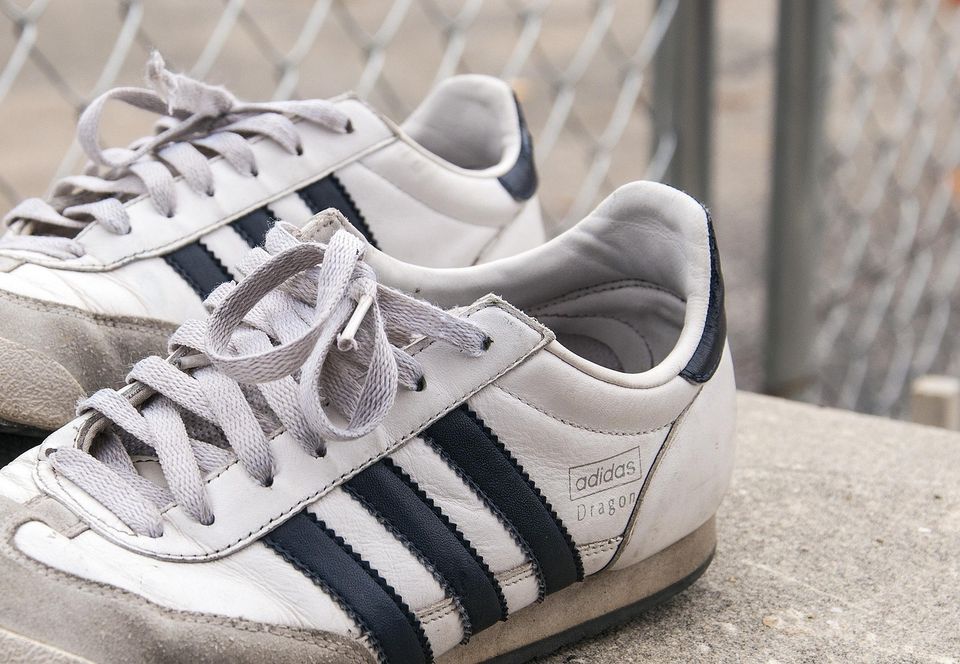
Sneakers vs trainers: the difference, and when it matters
Sneakers vs trainers: mostly a UK and US word difference. Learn what to look for when buying athletic trainers or casual sneakers.
Camille Laurent2 min read
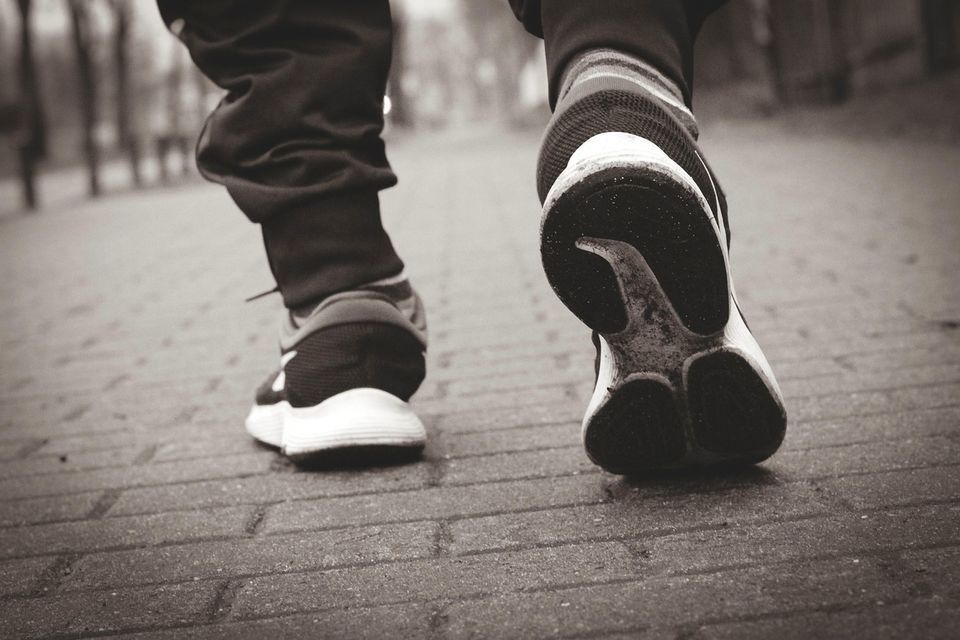
Running shoes vs walking shoes
Running shoes cushion repeated impact. Walking shoes support a roll from heel to toe. Which fits depends on how you move and how long you are on your feet.
Camille Laurent2 min read
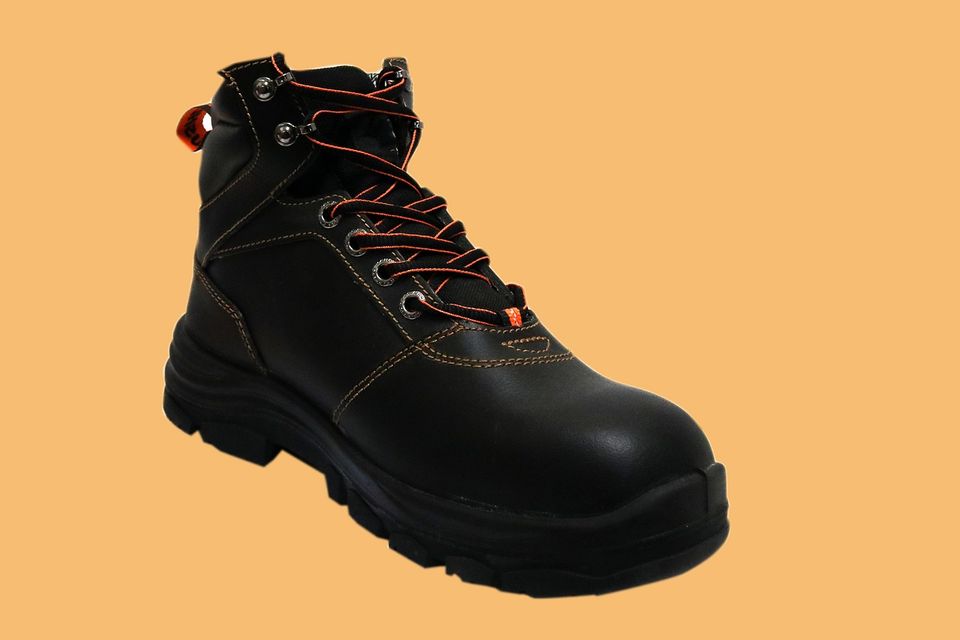
Slip-on vs lace-up shoes: which fits better all day
Slip-on vs lace-up shoes: lace-ups hold the foot better for long days and sport, while slip-ons win for speed and ease. Here is the simple rule.
Camille Laurent2 min read
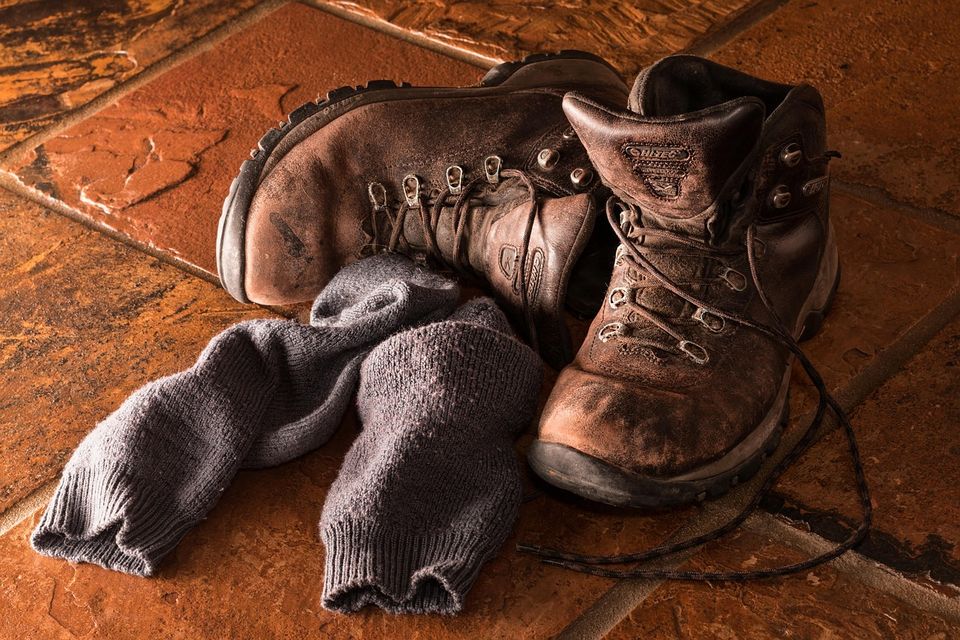
How to tell if running shoes are worn out: 6 checks
How to tell if running shoes are worn out: six simple checks for the sole, midsole, upper and fit, plus a rough guide on when to replace a pair.
Camille Laurent4 min read