
Slip-on vs lace-up shoes: which fits better all day
Slip-on vs lace-up shoes: lace-ups hold the foot better for long days and sport, while slip-ons win for speed and ease. Here is the simple rule.
Camille Laurent2 min read
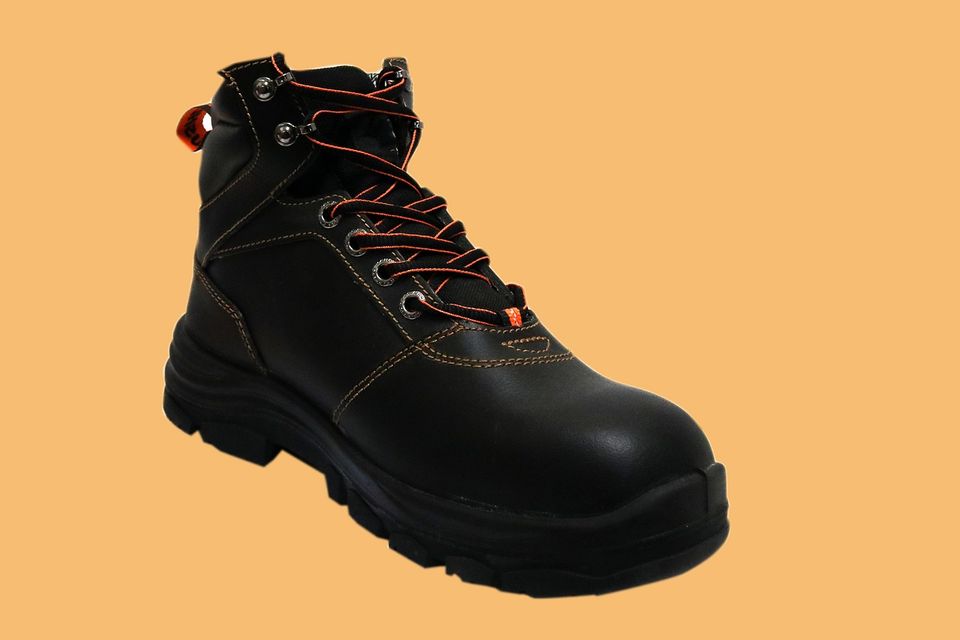
Should you buy slip-on or lace-up shoes? Buy lace-ups for anything you wear for hours. Buy slip-ons for quick, light use.
Laces let you tighten the shoe across the top of your foot. That keeps the heel from sliding and stops your toes from hitting the front. A slip-on holds with elastic or a snug cut, which is a single fit for all feet.
Why lace-ups win for all day
You can change the fit during the day. Feet swell, so loosen them in the afternoon. You can tighten them for a run. You can leave the top loose if you have a high arch.
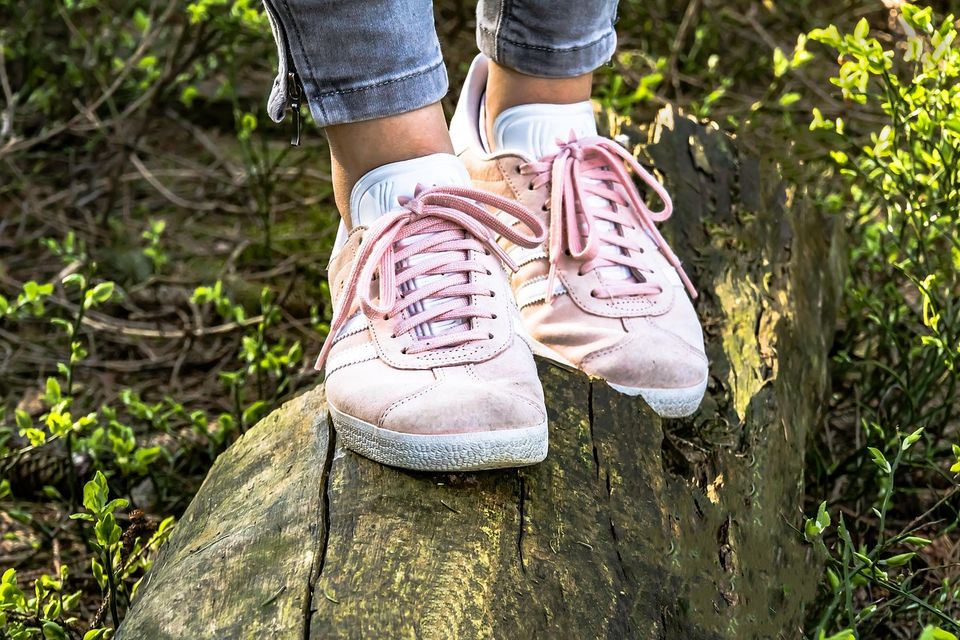
Why slip-ons win for speed
You can get in and out without bending. They are handy at airports, at the door and for people with sore backs or stiff hands. A good slip-on has an elastic panel and a firm heel, so it stays on.
The rule
Count the hours. Under two hours on your feet, a slip-on is fine. Over four, laces will usually be more comfortable. A middle route is a slip-on with a firm heel counter and a strap or elastic top.
The exception
If you cannot tie laces because of pain, arthritis or balance, slip-ons or elastic no tie laces are the practical pick. Ask an occupational therapist or a doctor if you are unsure. Also, if you have a wide or narrow foot, a poor slip-on can be worse than any lace-up.
For more shoe differences, read leather vs canvas shoes in rain and sandals vs sneakers for summer walking.
More to read
Keep reading
Wide fit vs regular fit shoes: how to know which you need
Wide fit vs regular fit shoes: signs your feet need a wider shoe, how to measure them at home, and why a bigger size is not the same fix.
Camille Laurent2 min read
Leather vs canvas shoes in the rain: which holds up
Leather vs canvas shoes in the rain: how each handles wet weather, drying, care and lifespan. Leather wins in the wet, canvas wins when it is warm.
Camille Laurent4 min read
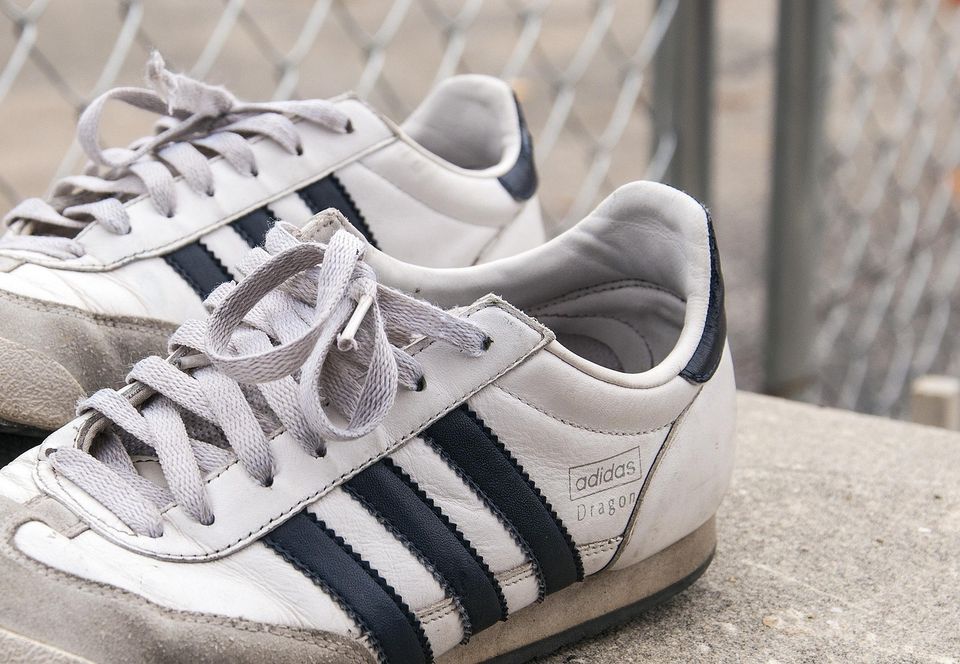
Sneakers vs trainers: the difference, and when it matters
Sneakers vs trainers: mostly a UK and US word difference. Learn what to look for when buying athletic trainers or casual sneakers.
Camille Laurent2 min read

Running shoes vs walking shoes
Running shoes cushion repeated impact. Walking shoes support a roll from heel to toe. Which fits depends on how you move and how long you are on your feet.
Camille Laurent2 min read
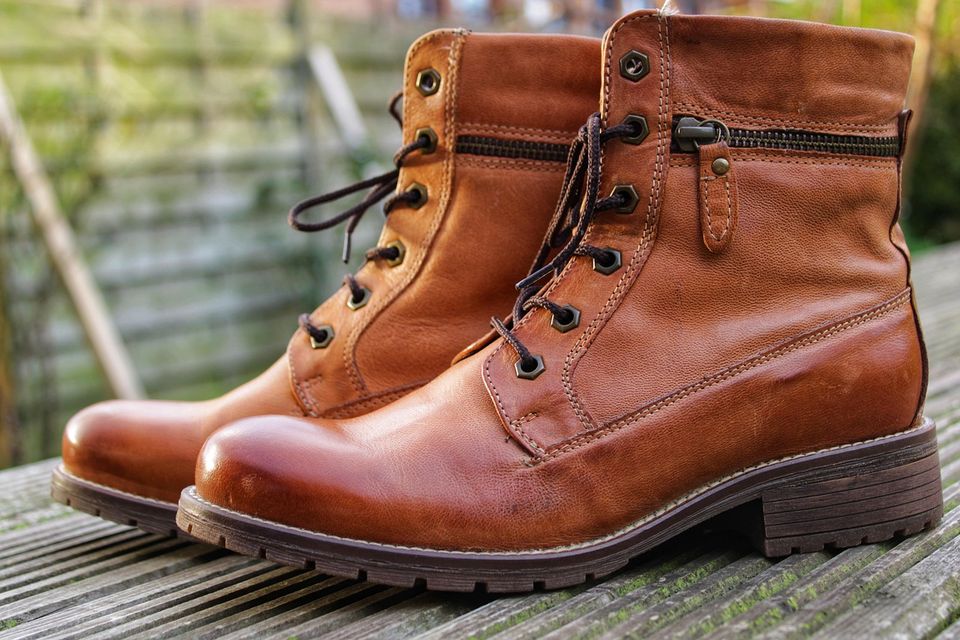
Boots vs shoes for winter walking: when to switch
Boots vs shoes for winter walking: boots keep feet warmer and drier in snow and slush, while shoes are fine on dry pavement. Learn where to switch.
Camille Laurent3 min read
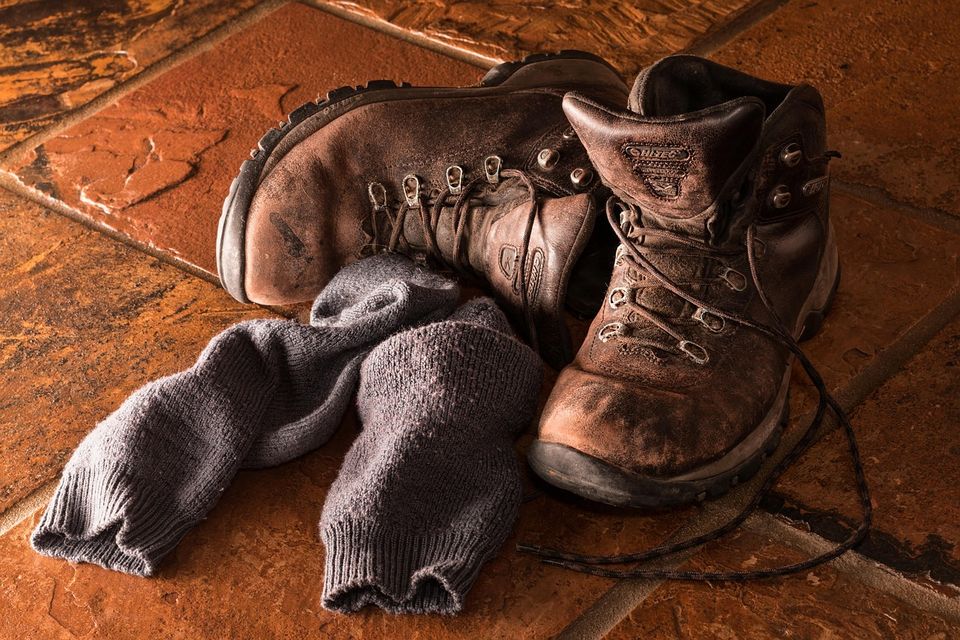
How to tell if running shoes are worn out: 6 checks
How to tell if running shoes are worn out: six simple checks for the sole, midsole, upper and fit, plus a rough guide on when to replace a pair.
Camille Laurent4 min read