
Running shoes vs walking shoes
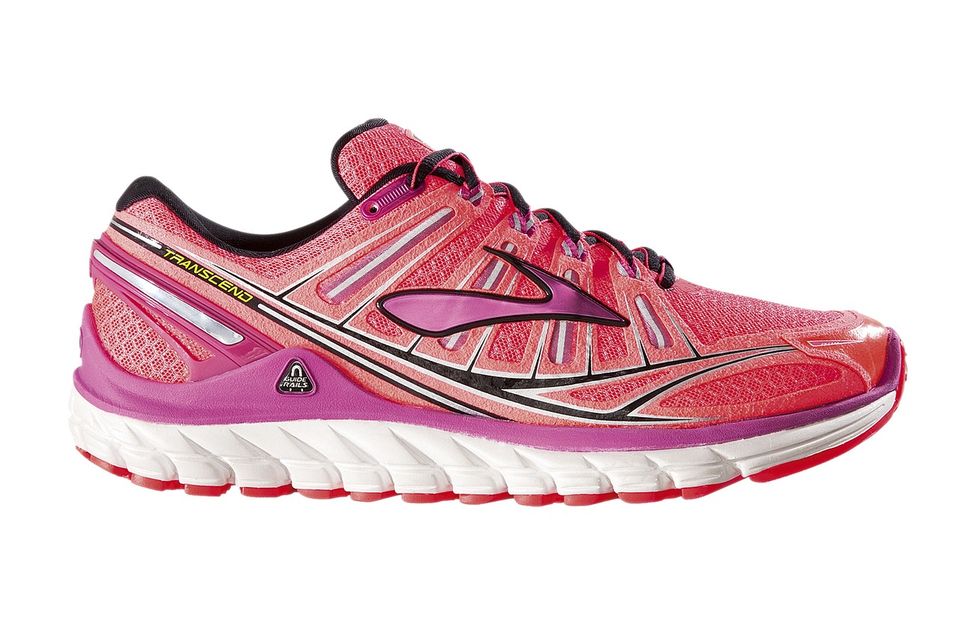
Running shoes cushion repeated impact. Walking shoes support a roll from heel to toe. Which fits depends on how you move and how long you are on your feet.
Camille Laurent2 min read

Verdict: walkers can wear either, runners cannot wear walking shoes. Running shoes are built for repeated impact and can handle a walk. Walking shoes lack the cushioning most runners need.
Which wins on
| Factor | Running shoe | Walking shoe |
|---|---|---|
| Cushioning | Running. More foam under the heel and forefoot | Firmer |
| Weight | Running. Usually lighter | Often heavier |
| Stability | Walking. Flatter, steadier base | Varies by model |
| Flexibility | Running. Bends at the forefoot | Walking. Often stiffer, with more heel to toe roll |
| Standing all day | Tie | Tie. Depends on the foot |
| Cost over time | Running. Foam wears out with mileage | Walking. Often lasts longer |
| Looks off the trail | Walking. Often plainer | Running styles are bolder |
Pick running shoes if
- You run at all, even once a week.
- You walk long distances and want soft landings.
- You have no balance concerns and like a light shoe.
Pick walking shoes if
- Your walking is mostly flat paths and pavements.
- You prefer a steady, firm feel.
- You want a plain look for work.
The difference that matters
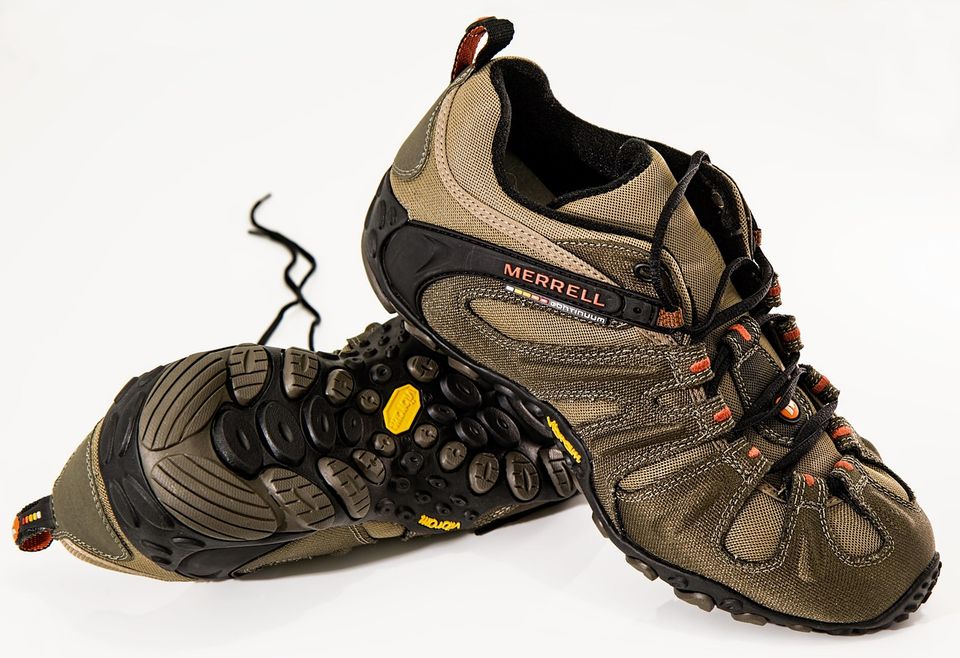
Impact. Running puts a larger load through each step than walking. Running shoes manage that load. Walking shoes do not need to. If you run, buy for running. If you only walk, you have a choice and should pick by comfort.
A fit rule that beats the label
Try on shoes late in the day, when feet are largest. Wear the socks you will use. Leave about a thumb's width in front of the longest toe. Walk around the shop, not just stand. If your heel slips or your toes touch the front, try another pair, whatever the label says.
How much walking is the goal
The CDC suggests adults get at least 150 minutes of moderate activity a week. Walking counts, and so does running at a shorter time. Whichever shoe makes you do it more often is the better choice. Our method page calls this "start with the job".
Foot pain, past injuries or diabetes change the advice. See a podiatrist or physiotherapist before you choose.
More to read
Keep reading
Wide fit vs regular fit shoes: how to know which you need
Wide fit vs regular fit shoes: signs your feet need a wider shoe, how to measure them at home, and why a bigger size is not the same fix.
Camille Laurent2 min read
Leather vs canvas shoes in the rain: which holds up
Leather vs canvas shoes in the rain: how each handles wet weather, drying, care and lifespan. Leather wins in the wet, canvas wins when it is warm.
Camille Laurent4 min read
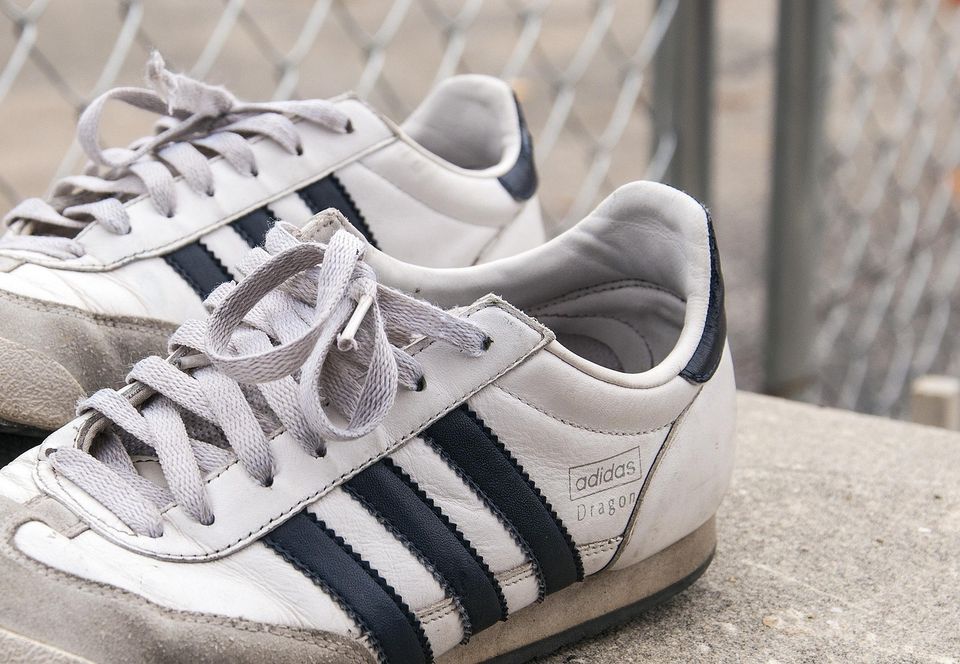
Sneakers vs trainers: the difference, and when it matters
Sneakers vs trainers: mostly a UK and US word difference. Learn what to look for when buying athletic trainers or casual sneakers.
Camille Laurent2 min read
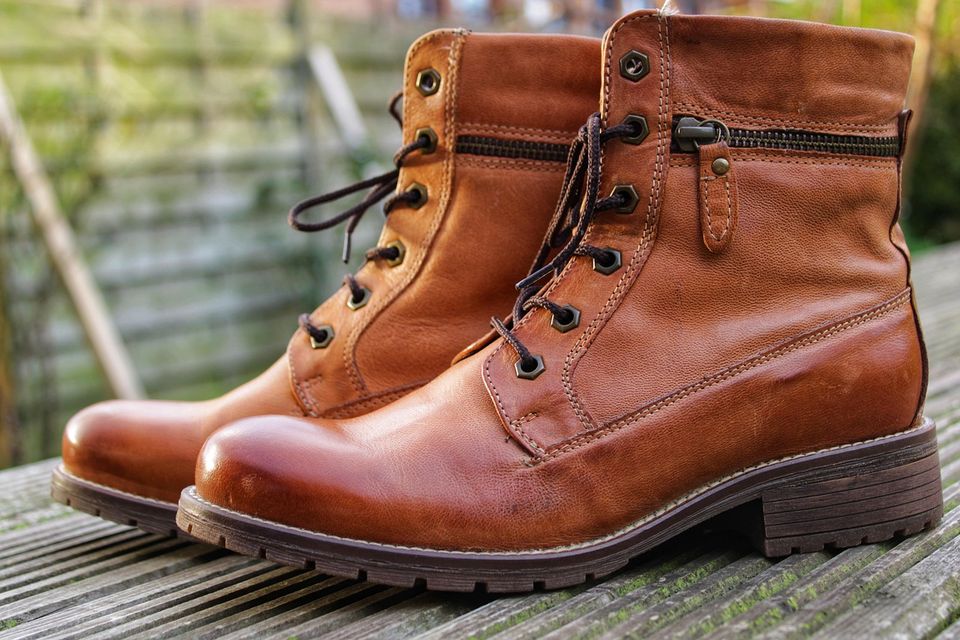
Boots vs shoes for winter walking: when to switch
Boots vs shoes for winter walking: boots keep feet warmer and drier in snow and slush, while shoes are fine on dry pavement. Learn where to switch.
Camille Laurent3 min read
Slip-on vs lace-up shoes: which fits better all day
Slip-on vs lace-up shoes: lace-ups hold the foot better for long days and sport, while slip-ons win for speed and ease. Here is the simple rule.
Camille Laurent2 min read
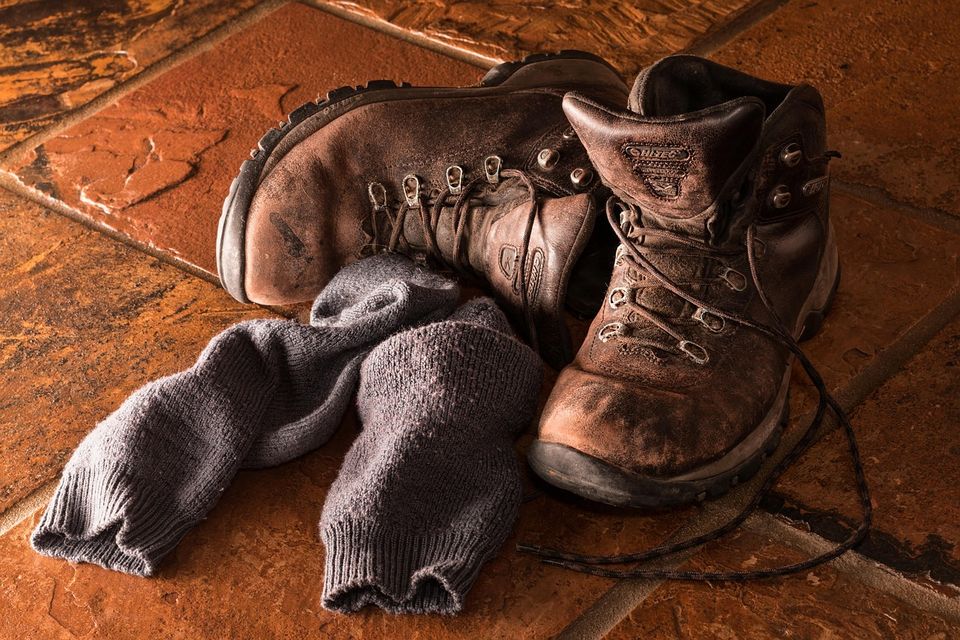
How to tell if running shoes are worn out: 6 checks
How to tell if running shoes are worn out: six simple checks for the sole, midsole, upper and fit, plus a rough guide on when to replace a pair.
Camille Laurent4 min read