
How to tell if running shoes are worn out: 6 checks
How to tell if running shoes are worn out: six simple checks for the sole, midsole, upper and fit, plus a rough guide on when to replace a pair.
Camille Laurent4 min read
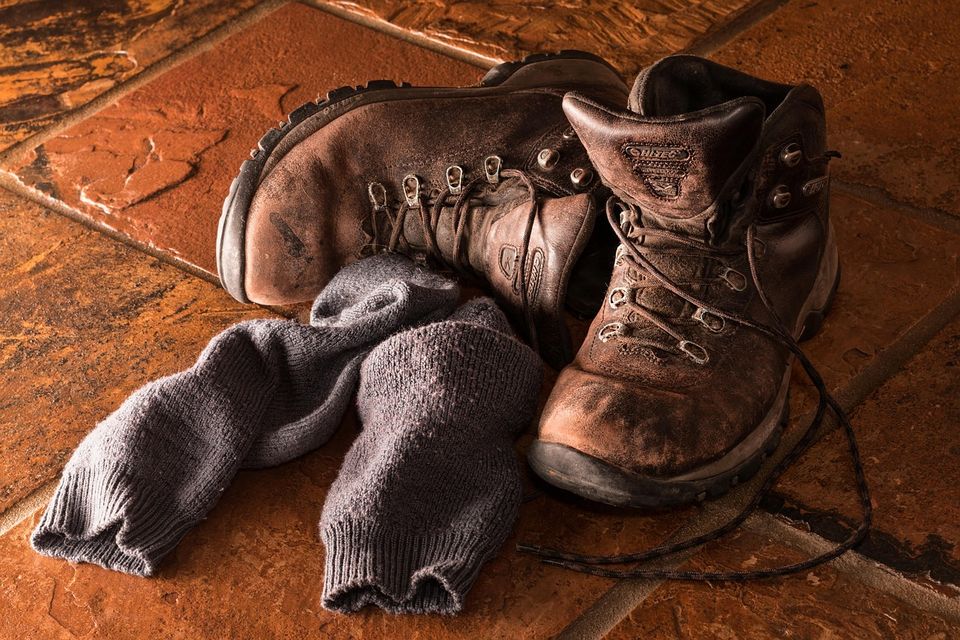
Verdict: if the cushion feels flat, the tread is smooth or your feet and knees ache after runs that used to feel fine, the shoes are done. Looks can fool you, because many pairs look fine long after they stop cushioning.
Knowing how to tell if running shoes are worn out saves you from running on a pair that no longer protects your feet. This page gives six checks you can do at home in a few minutes.
If you have pain that does not go away, ask a doctor or physio. Shoes are only one possible cause.
The decision rule
Count the checks below that your shoes fail.
- One: watch them. Plan a replacement.
- Two or more: replace them.
- New pain plus any failed check: replace them and talk to a professional if it lasts.
Ruling: two failed checks is the line.
The six checks
1. Press the midsole
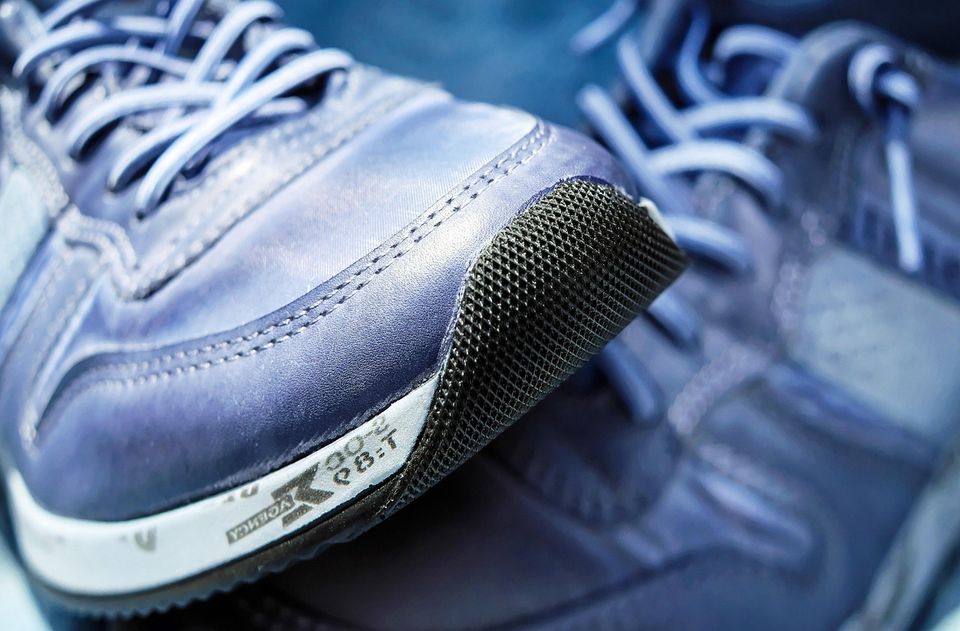
The midsole is the foam layer between your foot and the ground. Press your thumb into it. If it feels hard, thin or does not spring back, it has lost cushion.

2. Look at the outsole
The outsole is the rubber on the bottom. If the tread is smooth in patches or you can see the foam through it, grip is gone.
3. Put them on a table
Place the shoes on a flat table and look from behind. If the heel leans in or out, the shoe has worn unevenly. That can change how your foot lands.
4. Check the creases
Deep creases across the midsole mean the foam has been squashed many times. A few lines are normal. Deep, sharp ones are not.
5. Look at the upper and the heel
Holes near the toe, a torn heel lining or a heel cup that no longer holds are signs of age. A floppy heel causes rubbing.
6. Listen to your body
New shin pain, sore knees, or tired feet earlier in the run can be signs. Do not blame shoes alone, but compare with how you felt when they were new.
How long do running shoes last
Many makers and running coaches quote a range of a few hundred miles. The real number depends on your weight, your pace, the surface and how you land. A light runner on soft trails may get more. A heavy runner on concrete may get less.
A simple method: write the date you start wearing a pair on the inside of the tongue. Count the weeks, or the runs. When you reach about 400 miles by your own log, or sooner if the checks fail, replace them.

Worked example
Say you run three times a week, five miles each. That is fifteen miles a week. At that rate, a few hundred miles arrive in about five to eight months. This is an example, not a promise. The checks matter more than the date.
When walking shoes are different
Walking shoes do not take the same pounding as running shoes, so they last longer. Check the same signs, but the interval is often longer. See running vs walking shoes for how the two differ.
What to do with old pairs
Retire them from running and use them for errands or the garden. Do not keep running in them to save money. A pair of shoes costs less than a long break from running because of an injury. For more on shoe types, see sneakers vs trainers: the difference.
Common mistakes
- Judging by how clean the upper looks.
- Running in them until they fall apart.
- Buying the same model blindly after a bad fit.
- Ignoring new aches.
Quick questions
How do I know when to replace running shoes?
Check the midsole, tread and heel. Two failed checks or new pain means replace them.
How many miles do running shoes last?
Many makers suggest a few hundred miles. It varies by runner and surface.
Can worn out shoes cause injuries?
They may contribute. Pain that lingers needs a professional, not just new shoes.
Can I use old running shoes for walking?
For short, easy walks, usually yes. If they feel flat or lean, retire them.
More to read
Keep reading
Wide fit vs regular fit shoes: how to know which you need
Wide fit vs regular fit shoes: signs your feet need a wider shoe, how to measure them at home, and why a bigger size is not the same fix.
Camille Laurent2 min read
Leather vs canvas shoes in the rain: which holds up
Leather vs canvas shoes in the rain: how each handles wet weather, drying, care and lifespan. Leather wins in the wet, canvas wins when it is warm.
Camille Laurent4 min read
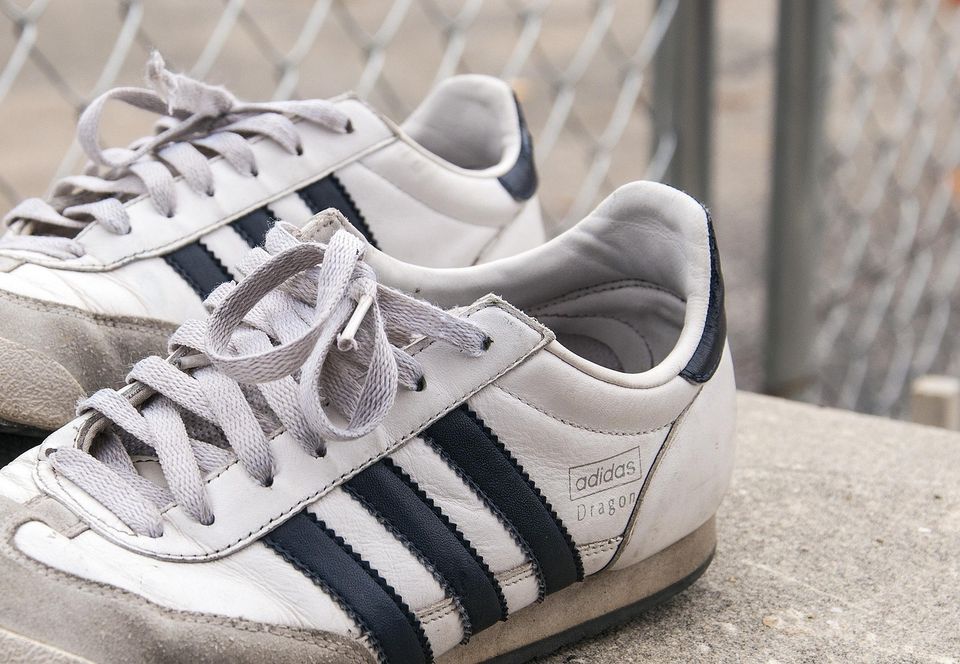
Sneakers vs trainers: the difference, and when it matters
Sneakers vs trainers: mostly a UK and US word difference. Learn what to look for when buying athletic trainers or casual sneakers.
Camille Laurent2 min read

Running shoes vs walking shoes
Running shoes cushion repeated impact. Walking shoes support a roll from heel to toe. Which fits depends on how you move and how long you are on your feet.
Camille Laurent2 min read
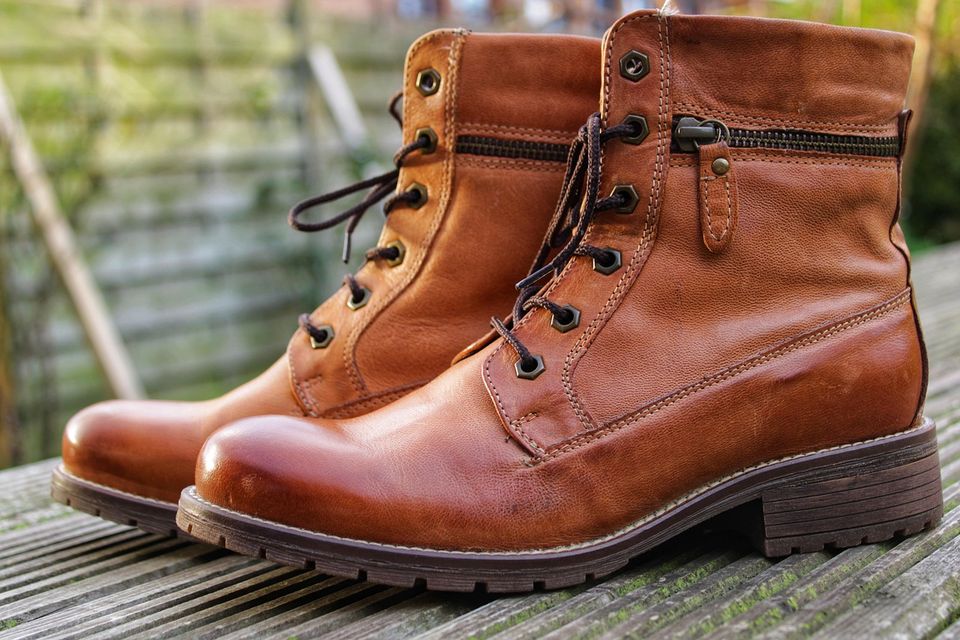
Boots vs shoes for winter walking: when to switch
Boots vs shoes for winter walking: boots keep feet warmer and drier in snow and slush, while shoes are fine on dry pavement. Learn where to switch.
Camille Laurent3 min read
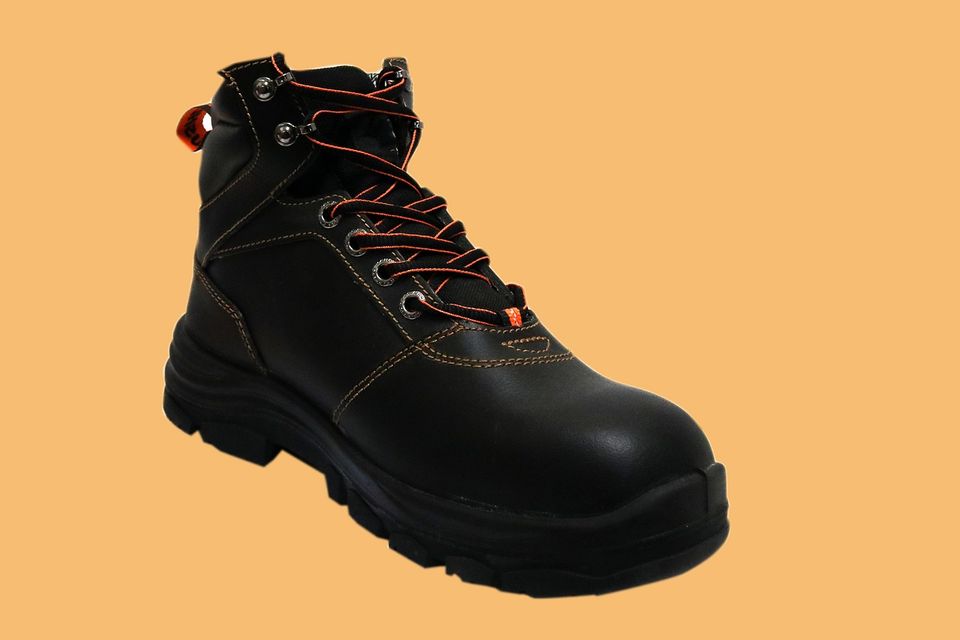
Slip-on vs lace-up shoes: which fits better all day
Slip-on vs lace-up shoes: lace-ups hold the foot better for long days and sport, while slip-ons win for speed and ease. Here is the simple rule.
Camille Laurent2 min read