
Do you need a rug pad? When it helps and when it does not
Do you need a rug pad? Yes on hard floors, where it stops slipping and protects the floor. On thick carpet, a pad is often not worth it.
Camille Laurent2 min read

Do you need a rug pad? On a hard floor, yes. A pad stops the rug from sliding, which is the main safety risk, and it adds a bit of cushion.
A rug pad is a thin mat that sits between the rug and the floor. It grips both sides.
Why it helps on hard floors
- Grip. A sliding rug is a trip hazard, especially for older people and children.
- Floor care. Some rug backings can scratch or stain a floor. Pick a pad that is safe for your floor type, since a few rubber pads can react with a finish. Check the maker's notes.
- Cushion. The rug feels softer underfoot.
- Less wear. The rug backing rubs less on the floor.
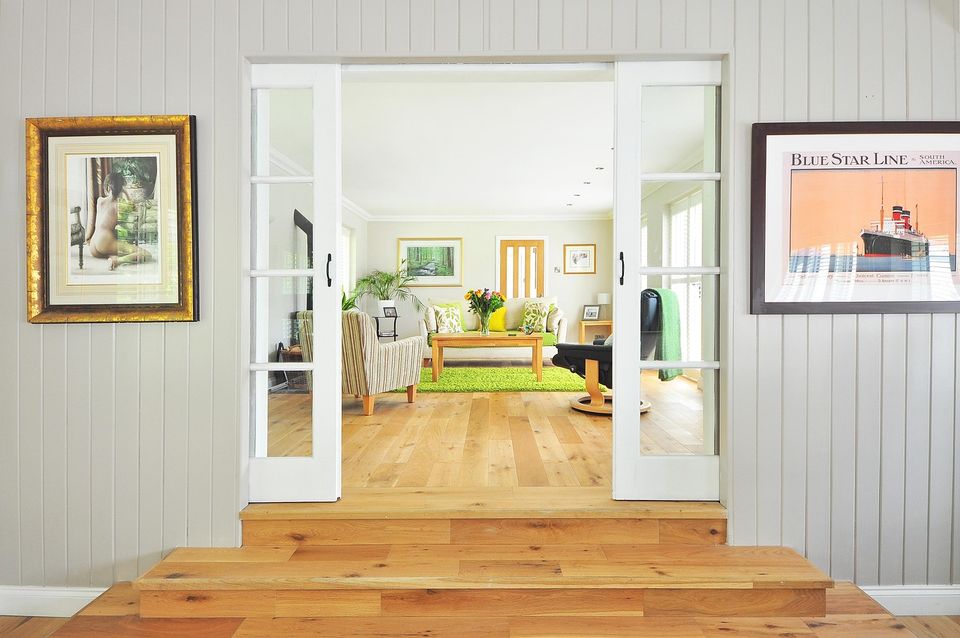
When you can skip it
On wall to wall carpet, a rug often stays put on its own. If it bunches, a thin, open weave pad works. Rugs with a stiff rubber backing may not need one, though a pad still protects the floor underneath.
The rule
Hard floor: pad. Carpet: maybe. Stairs or hallways: pad and tape, to keep it still.
The exception
Very small mats near doors can use rug tape instead. And if you rent, check your lease and floor finish before you stick anything down.
If a bed or sofa is next on your list, see memory foam vs hybrid mattress. Lighting also changes how a room feels. See LED vs halogen bulbs: running cost for an easy swap.
More to read
Keep reading

LED vs halogen bulbs running cost: the sums
LED vs halogen bulbs running cost? An LED typically uses about a seventh of the power, so it pays back fast in rooms you light for hours every day.
Camille Laurent2 min read
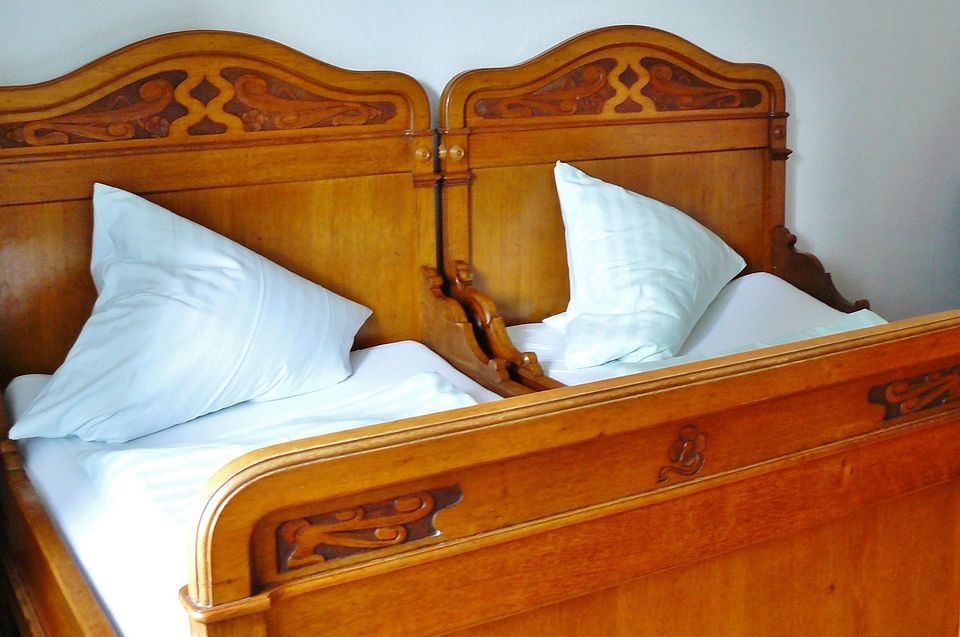
Memory foam vs hybrid mattress: which suits you
Memory foam vs hybrid mattress: pick foam for partner motion and pressure relief, and a hybrid if you sleep hot or want a bouncier, firmer feel.
Camille Laurent4 min read

Dehumidifier vs moisture absorber: which stops damp
Dehumidifier vs moisture absorber: a dehumidifier removes lots of moisture from a room, while absorber tubs only suit small spaces such as cupboards.
Camille Laurent4 min read
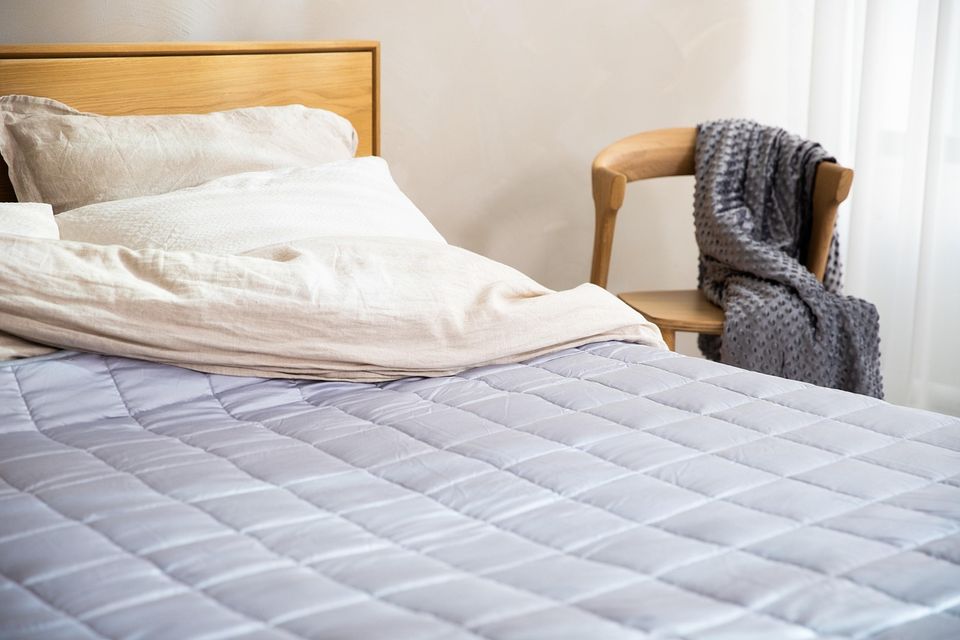
Mattress topper or a new mattress
A topper fixes surface comfort. It cannot fix a sagging mattress. A quick check tells you which problem you have before you spend money.
Camille Laurent2 min read

How to choose mattress firmness: a simple guide
How to choose mattress firmness: match it to your sleep position and weight, test it for the length of a trial, and know when to ask a professional.
Camille Laurent4 min read
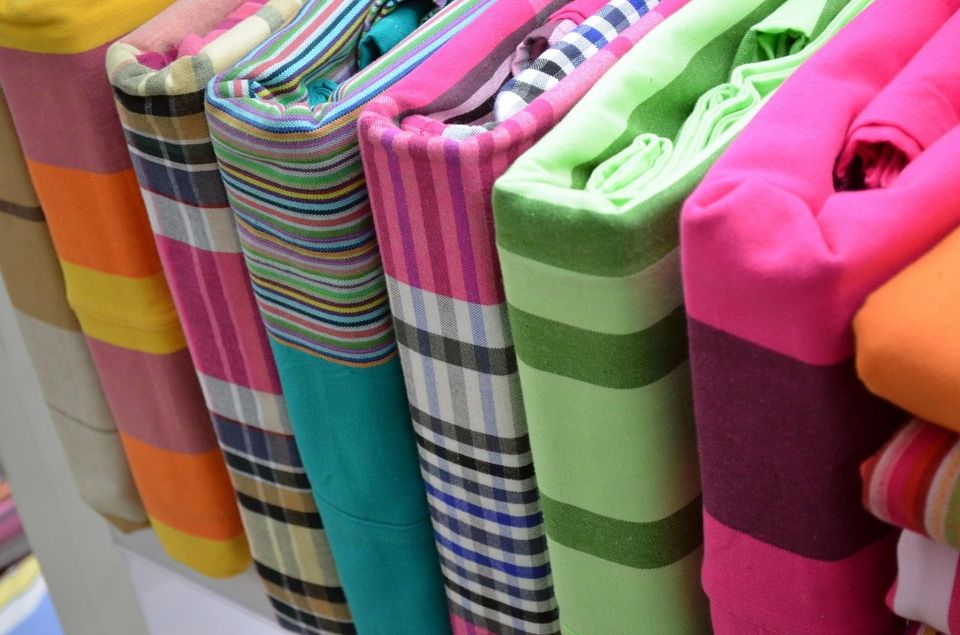
Cotton vs linen sheets: which sleeps better
Cotton vs linen sheets: cotton feels smooth and crisp and costs less, while linen breathes well and softens with every wash. See which suits you.
Camille Laurent3 min read