
LED vs halogen bulbs running cost: the sums
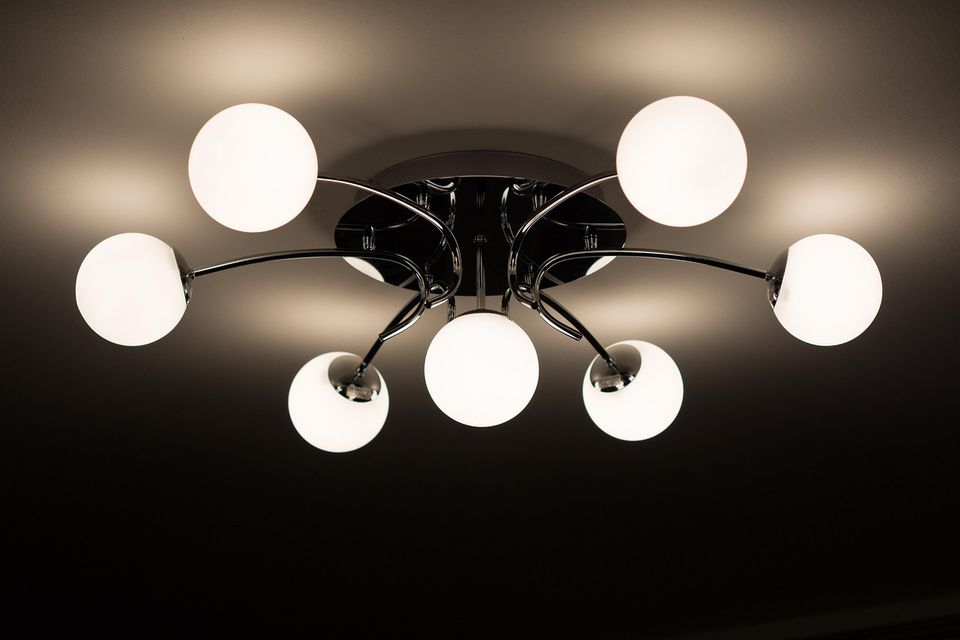
LED vs halogen bulbs running cost? An LED typically uses about a seventh of the power, so it pays back fast in rooms you light for hours every day.
Camille Laurent2 min read

Which costs less to run, LED or halogen? LED, by a lot. For the same brightness, an LED typically uses around a seventh to a tenth of the power.
A worked example
These are round numbers, not real prices.
- Halogen bulb: 50 watts.
- LED bulb with similar light: 7 watts.
- Use: 3 hours a day.
A halogen at 50 watts for 3 hours uses 150 watt hours a day. That is 0.15 kWh. An LED at 7 watts uses 21 watt hours, or about 0.02 kWh.
Over a year (365 days), that is roughly 55 kWh for the halogen and 8 kWh for the LED. The gap is about 47 kWh per bulb per year.
Now multiply the gap by your unit price. The price of electricity varies by country, by supplier and by the time of day, so use the figure on your own bill. If a unit costs you X, the saving per bulb is about 47 times X per year. A home with ten such bulbs saves about 470 times X.
Why LED wins
Halogens turn most of their power into heat. LEDs turn more of it into light. That is also why a halogen bulb is hot to touch, and an LED is not. LEDs also typically last many times longer, so you buy and replace fewer.
Where the verdict flips
- A bulb you use for 10 minutes a week. The saving is tiny, so wait until it burns out.
- A fitting that works only with a dimmer made for halogens. Check that the LED is rated as dimmable and that your dimmer suits it.
- A cold space where the heat from a halogen is wanted. Do not plan on it. Use a proper heater.
Do this
- List the bulbs you use most, such as kitchen, hallway and living room.
- Check the base type on the old bulb so the new one fits.
- Match the brightness, shown in lumens, not the watts.
- Replace those first.
For another running cost question, see dishwasher vs hand washing, which uses the same kind of sum.
More to read
Keep reading

Memory foam vs hybrid mattress: which suits you
Memory foam vs hybrid mattress: pick foam for partner motion and pressure relief, and a hybrid if you sleep hot or want a bouncier, firmer feel.
Camille Laurent4 min read

Dehumidifier vs moisture absorber: which stops damp
Dehumidifier vs moisture absorber: a dehumidifier removes lots of moisture from a room, while absorber tubs only suit small spaces such as cupboards.
Camille Laurent4 min read
Mattress topper or a new mattress
A topper fixes surface comfort. It cannot fix a sagging mattress. A quick check tells you which problem you have before you spend money.
Camille Laurent2 min read

How to choose mattress firmness: a simple guide
How to choose mattress firmness: match it to your sleep position and weight, test it for the length of a trial, and know when to ask a professional.
Camille Laurent4 min read

Do you need a rug pad? When it helps and when it does not
Do you need a rug pad? Yes on hard floors, where it stops slipping and protects the floor. On thick carpet, a pad is often not worth it.
Camille Laurent2 min read
Cotton vs linen sheets: which sleeps better
Cotton vs linen sheets: cotton feels smooth and crisp and costs less, while linen breathes well and softens with every wash. See which suits you.
Camille Laurent3 min read