
Dishwasher vs hand washing: water, energy and time
Dishwasher vs hand washing: a full modern dishwasher typically uses less water and energy than washing by hand, but hand washing wins for small loads.
Amine Haddad5 min read
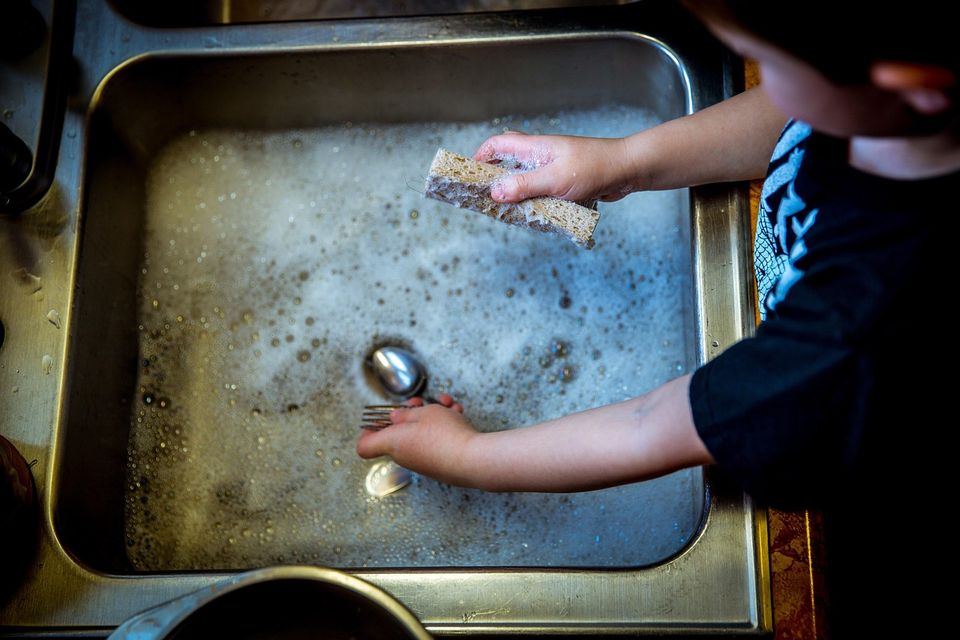
Verdict: a full dishwasher beats hand washing on water, energy and time. A half-empty one does not. For the dishwasher vs hand washing question, the load size decides almost everything. Fill it and it wins. Run it for three plates and you are wasting a cycle.
The numbers people quote online vary a lot. Many are old or come from one setup. So this page sticks to what is generally true and tells you how to check your own case.
The decision rule
Ask one question: how many dishes do you make in a day?
- A full load most days: a dishwasher saves effort and, in general, saves water and energy.
- A handful of items a day: hand washing is fine, and a dishwasher may sit idle.
- In between: a dishwasher helps, if you run it only when full.
Water: what is generally true
ENERGY STAR, the US government efficiency program, says that certified dishwashers typically use less water and energy than washing by hand. That holds for a full load and a modern machine. It does not hold if you rinse every plate under a running tap before loading. Pre-rinsing can erase the saving.
Hand washing can use little water if you fill a basin and do not leave the tap running. It can use a lot if you wash under a running tap. The method matters as much as the machine.
Ruling: a full dishwasher usually uses less water than hand washing under a running tap. A basin and a short rinse can come close.
Energy: hot water is the cost
Most of the energy in washing dishes goes into heating the water. A dishwasher heats a small amount, once. Hand washing often uses a lot of hot water from the tap. Newer machines have eco programs that run longer at lower temperatures, which use less energy, though the cycle takes more time.
Older machines use more. If yours is very old, it may not match the saving the labels describe. Check the efficiency label if you are buying new.
Ruling: a modern dishwasher on an eco cycle with a full load is typically the lower-energy choice.
Time: where your minutes go
A dishwasher does not wash faster. It takes you out of the loop. You still load and unload. For a family, that is far less time than standing at the sink. For one person, loading and unloading can take about as long as washing a few dishes.
Ruling: a dishwasher wins on your time when you cook for more than two people. For a single person, the gain is small.
Small households and small kitchens
If you live alone, a dishwasher often runs every two or three days. Dishes then sit, and some people end up hand washing anyway. Compact and countertop models exist, but they hold less. A slim machine can fill up faster, which helps the saving.
If you rent or have no space, hand washing is fine. A drying rack and a basin cost little and work well.
Ruling: small households should buy a dishwasher only if they cook often and have a place to put one.
A worked example
Two households, same kitchen size. A family of four cooks most nights and fills a dishwasher about once a day. A person living alone makes a plate, a pan and a mug most days, so a machine would take several days to fill. The family gets a clear gain in water, energy and time. The single person gets very little, and the machine may sit unused or run half empty.
Count your own dishes for one week. If you would fill a machine in a day or two, buy one. If it would take four or five days, wash by hand.
When hand washing wins
- Non-stick pans, sharp knives, wood and hand-painted items. Many makers advise against the dishwasher for these.
- Very few dishes.
- Items that do not fit, such as large pots and trays.
- A kitchen with no room or plumbing.
- Dishes you want clean right now.
Ruling: hand wash what the maker says to hand wash, and let the machine take the rest.
Common mistakes
- Pre-rinsing every plate. Scrape instead.
- Running a half-empty cycle.
- Overloading, which leaves dishes dirty and means a second wash.
- Using too much detergent. More does not clean better.
- Skipping filter cleaning, which hurts results.
If the choice is part of a bigger kitchen purchase, five questions before any vs purchase is a quick filter. For another running-cost call, see led vs halogen bulbs running cost.
Quick questions
Is a dishwasher cheaper than washing by hand?
For a full load on a modern machine, it typically uses less water and energy. For a few dishes, hand washing is usually cheaper. Your local utility prices matter too.
Does a dishwasher use more water than hand washing?
In general, no, if the load is full and you do not pre-rinse. A running tap can use more than a dishwasher.
Is a dishwasher worth it for one or two people?
It can be, if you cook most days and run it only when full. If you make few dishes, hand washing is simpler.
Which gets dishes cleaner?
A dishwasher uses hotter water than most hands can stand, which helps with grease and germs. Loading it properly matters.
More to read
Keep reading
Induction vs gas hob: which cooktop is better
Induction vs gas hob (also called induction vs gas cooktop): induction is faster and easier to clean, gas works with any pan. Here is how to choose.
Amine Haddad4 min read
Slow cooker vs pressure cooker: which should you buy
Slow cooker vs pressure cooker for beginners: the slow cooker is simpler and forgiving, the pressure cooker is faster and does more. Here is how to pick.
Amine Haddad4 min read
Robot vacuum vs cordless vacuum: which one to buy
Robot vacuum vs cordless vacuum: the robot handles daily upkeep on flat floors, the cordless does the deep clean, stairs and rugs. Here is how to choose.
Amine Haddad4 min read
Microwave vs air fryer for leftovers: which one wins
Microwave vs air fryer for leftovers: the microwave wins on speed and soft foods, the air fryer wins on anything that should be crisp. Here is the rule.
Amine Haddad4 min read
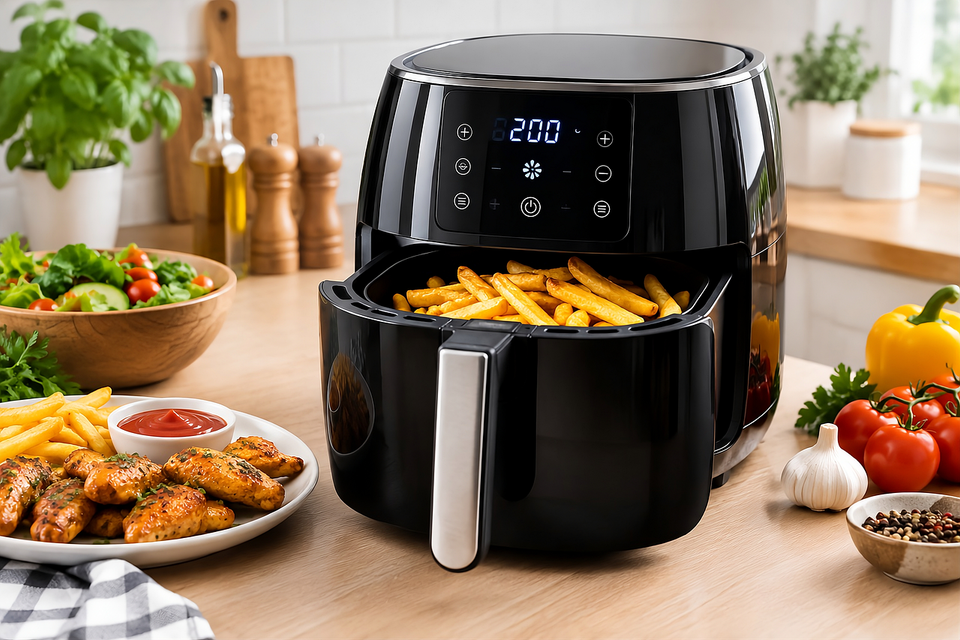
Air fryer vs convection oven
An air fryer is a small convection oven with a stronger fan. Here is who should buy one, who already owns one, and which factors decide it.
Amine Haddad3 min read
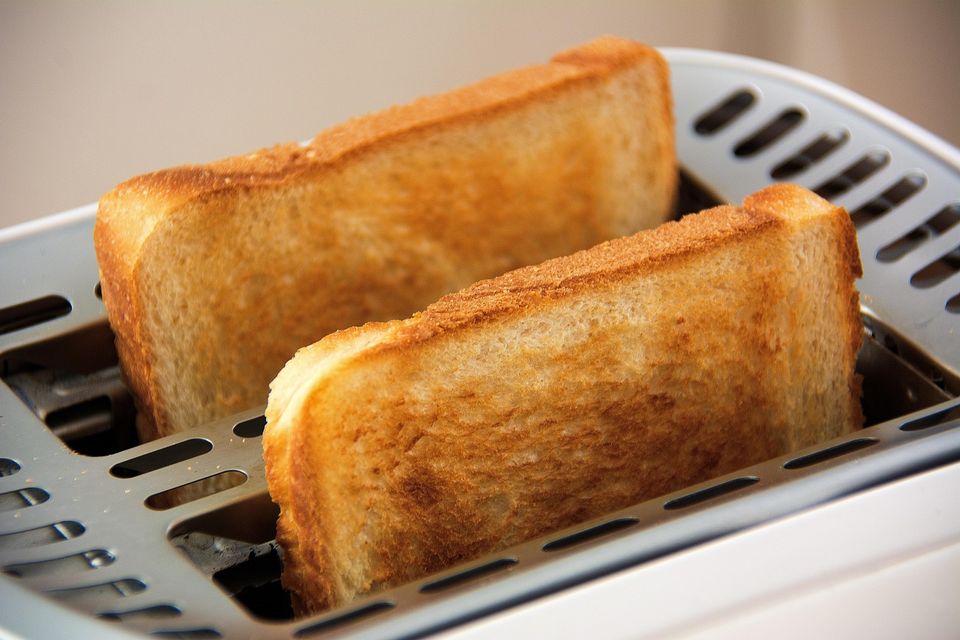
Toaster vs toaster oven: which is worth the counter space
Toaster vs toaster oven: a toaster makes better plain toast for less money, while a toaster oven does small cooking jobs a toaster cannot.
Amine Haddad4 min read