
Robot vacuum vs cordless vacuum: which one to buy
Robot vacuum vs cordless vacuum: the robot handles daily upkeep on flat floors, the cordless does the deep clean, stairs and rugs. Here is how to choose.
Amine Haddad4 min read
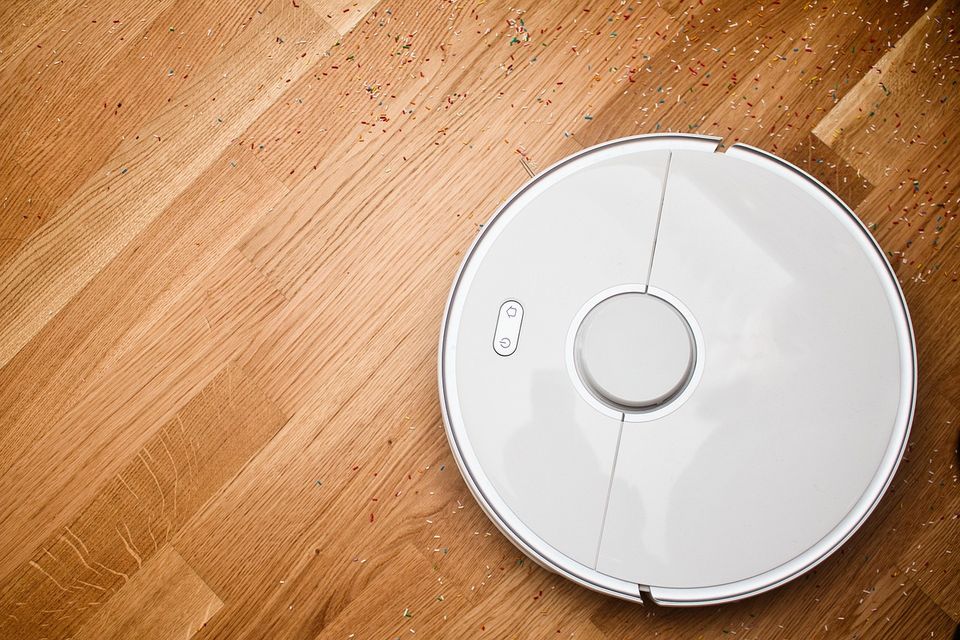
Verdict: if you have to pick one, buy the cordless vacuum. If your floors are flat and you hate the daily chore, buy the robot. The robot vacuum vs cordless vacuum choice is really a choice between upkeep and cleaning.
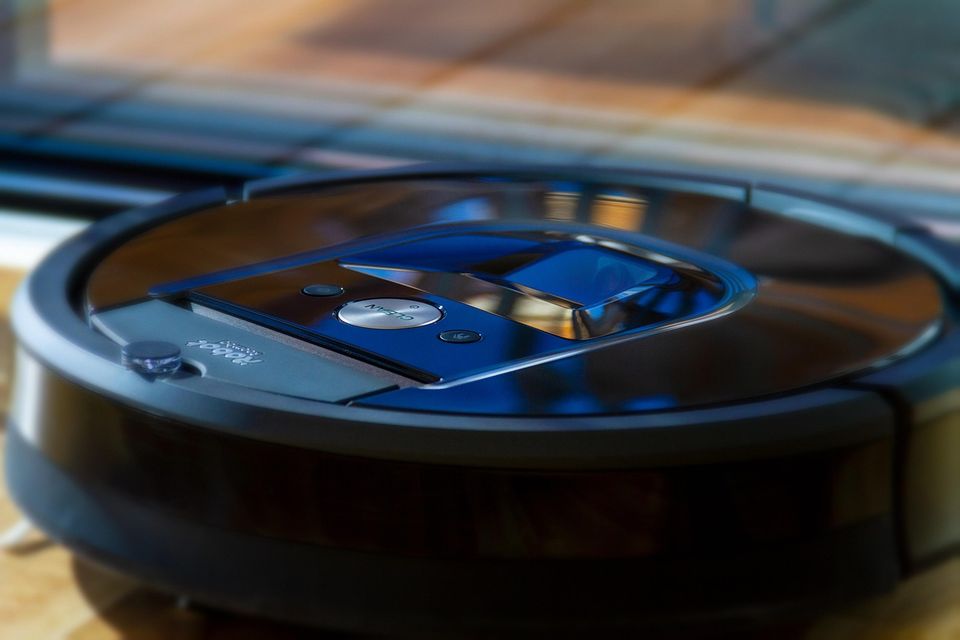
A robot keeps dust down while you are out. It does not clean a home properly. A cordless vacuum does the real job, but only when you pick it up.
Which wins on
| Factor | Robot vacuum | Cordless vacuum |
|---|---|---|
| Daily upkeep | Robot. It runs without you | You have to do it |
| Deep clean | Cordless. Stronger suction, you steer it | Cordless |
| Stairs | Cordless. A robot cannot climb | Cordless |
| Thick rugs | Cordless. Robots often struggle with deep pile and fringe | Cordless |
| Edges and corners | Cordless. Round robots miss corners | Cordless |
| Pet hair | Robot for daily fluff, cordless for the pile in the sofa | Tie |
| Small flats | Robot, if the floor is clear. Cordless stores easily | Tie |
| Upkeep of the machine | Brushes, bin and filters need regular care | Same, but simpler |
Pick a robot vacuum if
- Most of your floor is hard floor or low rugs.
- You will not vacuum often, but you will press a button.
- You have pets that shed and want less hair day to day.
- You can pick things off the floor first. Cables and socks stop robots.
Pick a cordless vacuum if
- You have stairs, or more than one floor.
- You have thick rugs, carpet or lots of furniture.
- You want to clean the car, the sofa and the shelves too.
- You only want to own one machine.
Pets, stairs, rugs and small flats
Pets. A robot is good at the daily layer of hair and litter. It is not good at hair woven into a sofa or a deep rug. Owners of pets often run a robot daily and use a cordless vacuum weekly.
Stairs. A robot cannot do them. If you have stairs, you need something handheld or cordless anyway. That alone often ends the argument.
Rugs. Short, flat rugs are usually fine. Long fringes and tassels can tangle. Deep pile slows a robot down. Check the maker's rug guidance before you buy.
Small flats. A flat with a clear floor is the best case for a robot. A flat with no storage and a floor full of stuff is the worst. A cordless stick takes less thought and hangs on a wall.
Worked example
A one-bedroom flat with hard floors and one small rug. The robot runs while you are at work. You spend a few minutes a week emptying it. A cordless vacuum would still be handy for the sofa and corners, but it is optional.
A two-storey house with a cat and a thick rug. The robot covers the downstairs floor, but the stairs and rug still need a cordless vacuum. Here the cordless is the one you cannot skip.
The difference that matters
What your floor looks like. Flat, clear floors suit a robot. Stairs, thick rugs and clutter suit a cordless vacuum. Look at the floor you actually have, not the one in the advert.
Common mistakes
- Expecting a robot to replace vacuuming entirely.
- Buying a robot for a home full of cables and loose items.
- Ignoring upkeep. A full bin or tangled brush stops either machine from working well.
If you are weighing other kitchen and home purchases the same way, the five questions before any vs purchase apply here too, especially "where will it live".
Quick questions
Is a robot vacuum worth it for a small flat?
Often yes, if the floor is mostly clear and flat. If you have thick rugs or lots of clutter, a cordless vacuum is the better pick.
Can a robot vacuum replace a cordless vacuum?
Not fully. It handles daily dust on flat floors. It cannot do stairs, deep rugs or furniture well.
Which is better for pet hair, a robot or a cordless vacuum?
A robot is good for daily surface hair. A cordless vacuum is better for hair stuck in sofas and rugs. Many pet owners use both.
Do robot vacuums work on carpet?
Many do on low pile. Thick pile is harder for them. Check what the maker says about carpet height.
More to read
Keep reading

Dishwasher vs hand washing: water, energy and time
Dishwasher vs hand washing: a full modern dishwasher typically uses less water and energy than washing by hand, but hand washing wins for small loads.
Amine Haddad5 min read

Induction vs gas hob: which cooktop is better
Induction vs gas hob (also called induction vs gas cooktop): induction is faster and easier to clean, gas works with any pan. Here is how to choose.
Amine Haddad4 min read
Slow cooker vs pressure cooker: which should you buy
Slow cooker vs pressure cooker for beginners: the slow cooker is simpler and forgiving, the pressure cooker is faster and does more. Here is how to pick.
Amine Haddad4 min read

Microwave vs air fryer for leftovers: which one wins
Microwave vs air fryer for leftovers: the microwave wins on speed and soft foods, the air fryer wins on anything that should be crisp. Here is the rule.
Amine Haddad4 min read
Air fryer vs convection oven
An air fryer is a small convection oven with a stronger fan. Here is who should buy one, who already owns one, and which factors decide it.
Amine Haddad3 min read
Toaster vs toaster oven: which is worth the counter space
Toaster vs toaster oven: a toaster makes better plain toast for less money, while a toaster oven does small cooking jobs a toaster cannot.
Amine Haddad4 min read