
Electric kettle vs stovetop kettle: which boils better
Electric kettle vs stovetop kettle: the electric one is faster and safer to leave, the stovetop one works anywhere and needs no socket. Here is the rule.
Amine Haddad4 min read
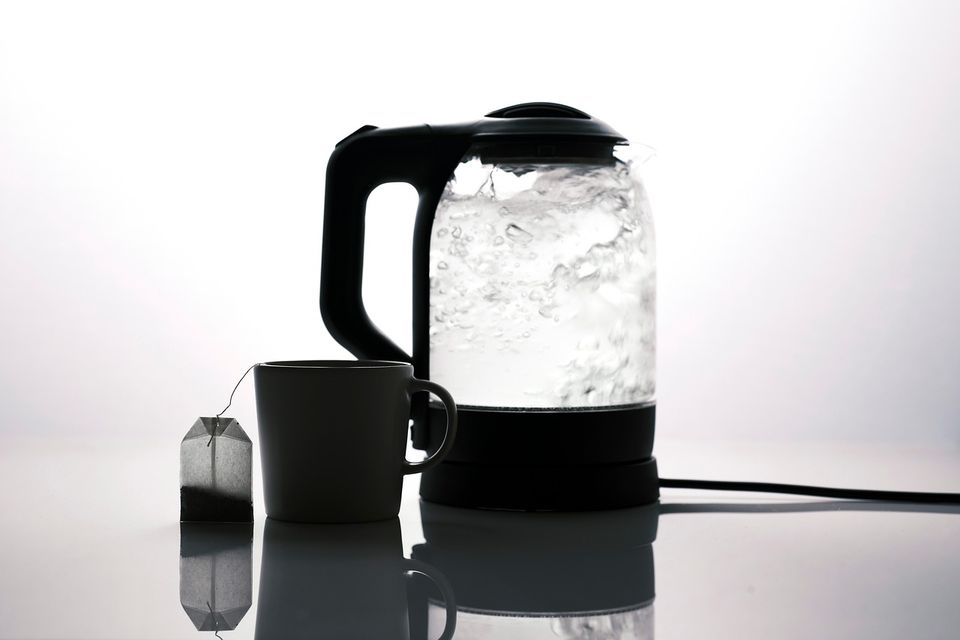
Verdict: the electric kettle wins for most homes, because it is quicker to start, switches itself off and heats only the water you put in. The stovetop kettle wins where counter space is tight or where you want a simple tool with nothing to break.
Both do one job, which is to boil water. The electric kettle has its own heater in the base. The stovetop kettle sits on a ring or hob and relies on that heat. The electric kettle versus stovetop kettle question comes down to how you use hot water, and what sits in your kitchen already.
Which wins on
| Factor | Electric kettle | Stovetop kettle |
|---|---|---|
| Speed | Electric. Typically a couple of minutes for a full jug | Slower on many hobs, faster on strong gas or induction |
| Safety | Electric. Most switch off at boil | Stovetop. Needs watching, though whistles help |
| Counter space | Stovetop. It lives on the hob or in a cupboard | Stovetop |
| Energy use | Electric. Heats mostly the water | Depends on the hob and how much heat escapes |
| Lifespan | Stovetop. Few parts, often lasts many years | Stovetop |
| Cleaning | Tie. Both build up limescale in hard water areas | Tie |
| Works without a socket | Stovetop | Stovetop |
Pick the electric kettle if
- You boil water three or more times a day.
- You want it ready while you do something else.
- You often boil just one cup. Electric models let you fill to the line you need.
- You want a model with a temperature setting for tea or coffee.
Pick the stovetop kettle if
- You have a gas hob or a fast induction hob.
- Your counter is small and you do not want one more cable.
- You boil water rarely, such as a few times a week.
- You want something that has no electronics to fail.
What changes in practice
An electric kettle turns off by itself. That is the main reason many people prefer it. You can start it, then forget it for a minute. A stovetop kettle needs your attention, or a whistle you can hear.
Speed is where claims get messy. A strong induction hob can boil a stovetop kettle very quickly. A weak electric hob can take much longer than an electric kettle. Check your hob type before you assume.
Worked example
Say you make four hot drinks a day. In a home with an electric hob, the electric kettle saves a few minutes of waiting each day and shuts itself off. In a home with a strong gas hob, the stovetop kettle may take about the same time, and you save a socket and a bit of counter. The same goal, two good answers.
The difference that matters
Your hob. Gas or induction makes the stovetop kettle a fair match. A slow electric ring makes the electric kettle the clear winner. If you cannot tell which you have, look at the hob label or ask the landlord.
Caution
Whichever you buy, empty and descale it now and then if you live in a hard water area. Limescale slows heating and can taste odd. A kettle with a wide opening is easier to clean. Do not leave an empty stovetop kettle on a lit hob, since it can warp or scorch.
Comparing this with other small appliances? See microwave vs air fryer for leftovers and induction vs gas hob for how your hob changes the answer.
Quick questions
Is an electric kettle cheaper to run than a stovetop kettle?
In general an electric kettle is efficient because it heats mainly the water. The gap depends on your hob and local energy prices, so no single figure is fair.
Is a stovetop kettle safe to leave?
No. It needs attention. A whistle helps, but it does not switch off.
Can I use a stovetop kettle on induction?
Only if the base is made for it. Check the maker's description for induction compatible.
Which lasts longer?
Stovetop kettles have few parts and often last years. Electric ones can last long too, but the heating element or switch is a common point of failure.
More to read
Keep reading
Dishwasher vs hand washing: water, energy and time
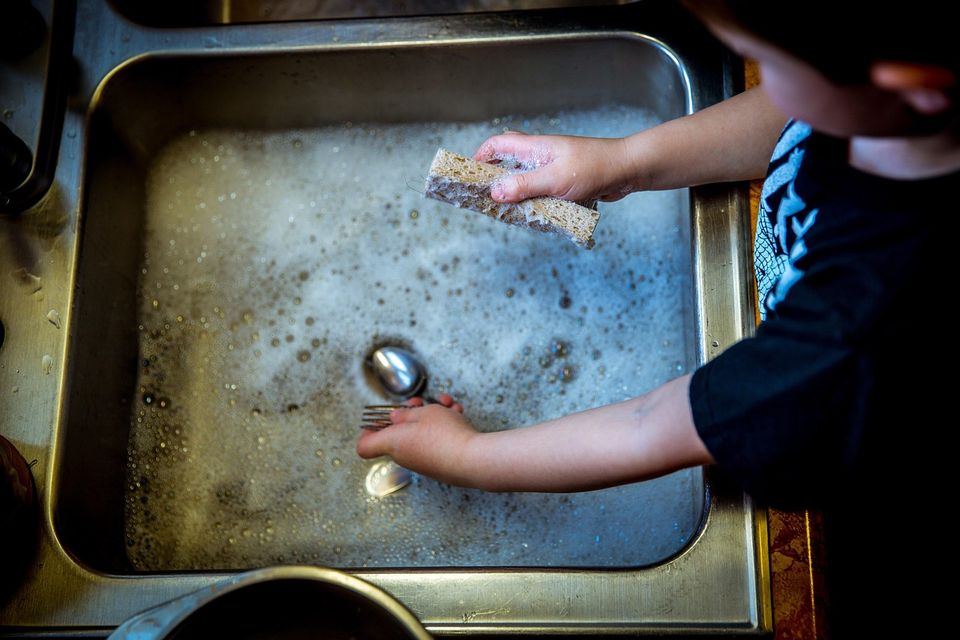
Dishwasher vs hand washing: a full modern dishwasher typically uses less water and energy than washing by hand, but hand washing wins for small loads.
Amine Haddad5 min read
Induction vs gas hob: which cooktop is better
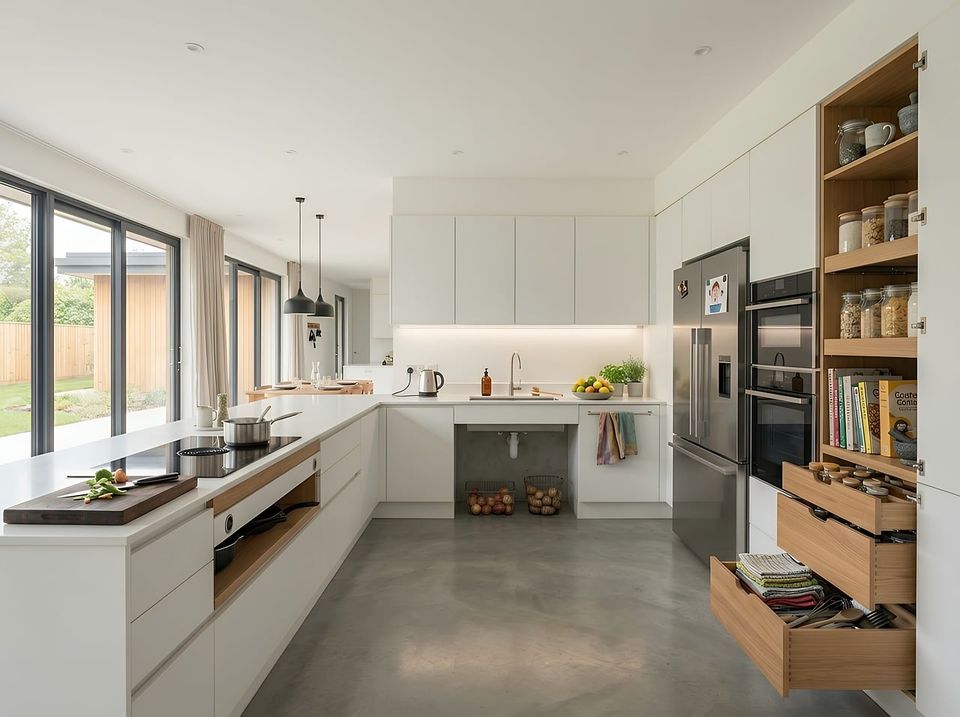
Induction vs gas hob (also called induction vs gas cooktop): induction is faster and easier to clean, gas works with any pan. Here is how to choose.
Amine Haddad4 min read
Slow cooker vs pressure cooker: which should you buy
Slow cooker vs pressure cooker for beginners: the slow cooker is simpler and forgiving, the pressure cooker is faster and does more. Here is how to pick.
Amine Haddad4 min read
Robot vacuum vs cordless vacuum: which one to buy
Robot vacuum vs cordless vacuum: the robot handles daily upkeep on flat floors, the cordless does the deep clean, stairs and rugs. Here is how to choose.
Amine Haddad4 min read
Microwave vs air fryer for leftovers: which one wins
Microwave vs air fryer for leftovers: the microwave wins on speed and soft foods, the air fryer wins on anything that should be crisp. Here is the rule.
Amine Haddad4 min read
Air fryer vs convection oven
An air fryer is a small convection oven with a stronger fan. Here is who should buy one, who already owns one, and which factors decide it.
Amine Haddad3 min read