
Chemical vs physical exfoliant: which one suits your skin
Chemical vs physical exfoliant: acids dissolve dead skin gently, while scrubs lift it by hand. Learn which suits sensitive, oily or dry skin and how often.
Camille Laurent4 min read
Verdict: for the face, a mild chemical exfoliant is usually the safer pick, and a scrub is better kept for the body. If you only want one, choose by skin type and start once a week.
Exfoliating means removing the dead skin on the surface. Skin does this by itself, and exfoliating can help it along. The question of chemical vs physical exfoliant is about how you do it.
This page is general information. If your skin is sore, broken or you have a skin condition, ask a doctor or a pharmacist before trying anything new.
The decision rule
- Face, sensitive or acne prone: start with a mild chemical exfoliant, or none.
- Face, tough and oily: a chemical one is still usually the first choice.
- Body, rough areas like elbows or heels: a physical scrub is fine.
- Not sure: skip exfoliating for a few weeks and keep skin calm first.
Ruling: gentler wins on the face. Stronger is for the body.
What each type does
A chemical exfoliant is a product with an acid. The acid loosens the glue between dead skin cells. Common types are described as AHAs, BHAs and PHAs. You wipe or smooth it on and leave it, or rinse it off, depending on the product.
A physical exfoliant is a scrub, brush or cloth. It lifts dead skin by rubbing.

Pros and cons
Chemical: - More even on the face. - Easy to do too much if you use it every day. - Can make skin more sensitive to sun, so sunscreen matters. See mineral vs chemical sunscreen for choosing one.
Physical: - Instant, you can feel it working. - Easy to be too rough, which can cause tiny tears and redness. - Grains that are sharp or uneven are often a problem on the face.
How often
There is no single number. In general, makers suggest starting with once a week and watching your skin. If it stays calm, you can add a second night. If it stings, goes red or peels, stop and let it settle.
Do not use two exfoliants on the same night. Do not mix with other strong actives unless the maker says it is fine.

Worked example
Say you start a mild acid toner on a Sunday. Skin looks fine on Monday. The next Sunday, you repeat. After a month, you try a Thursday night too. If skin gets tight, you go back to one night. That is slow, and it works.

For a skin-safe daily habit that pairs with this, see gel vs cream moisturizer for oily skin, since moisturizer matters after any exfoliant.
Where the verdict flips
- Thick, rough skin on feet or elbows: physical scrubbing is a fine choice.
- Very sensitive or broken skin: neither. Moisturize and ask a professional.
- You use strong prescription skincare: ask your prescriber before adding any exfoliant.
Common mistakes
- Exfoliating daily.
- Scrubbing hard.
- Skipping moisturizer afterwards.
- Skipping sunscreen in the morning.
Quick questions
Which is better, chemical or physical exfoliant?
For the face, a mild chemical exfoliant is usually gentler. For rough body skin, a scrub works well.
How often should I exfoliate?
Start with once a week. Increase only if skin stays calm.
Can I exfoliate sensitive skin?
Often it is best to skip it or ask a professional. Go slowly if you do try.
Do I need sunscreen after exfoliating?
Yes. Exfoliating can leave skin more sensitive to the sun, so use sunscreen every day.
More to read
Keep reading

Gel vs cream moisturizer for oily skin
Gel vs cream moisturizer for oily skin: gel is the usual pick for a light feel, but dry patches and cold weather can change the answer.
Camille Laurent2 min read

Shampoo bar vs bottled shampoo: which is better
Shampoo bar vs bottled shampoo compared on travel, hair type, hard water, cost per wash and waste. Verdict: bars win for travel, bottles for easy lather.
Camille Laurent4 min read
Mineral vs chemical sunscreen: which one to wear
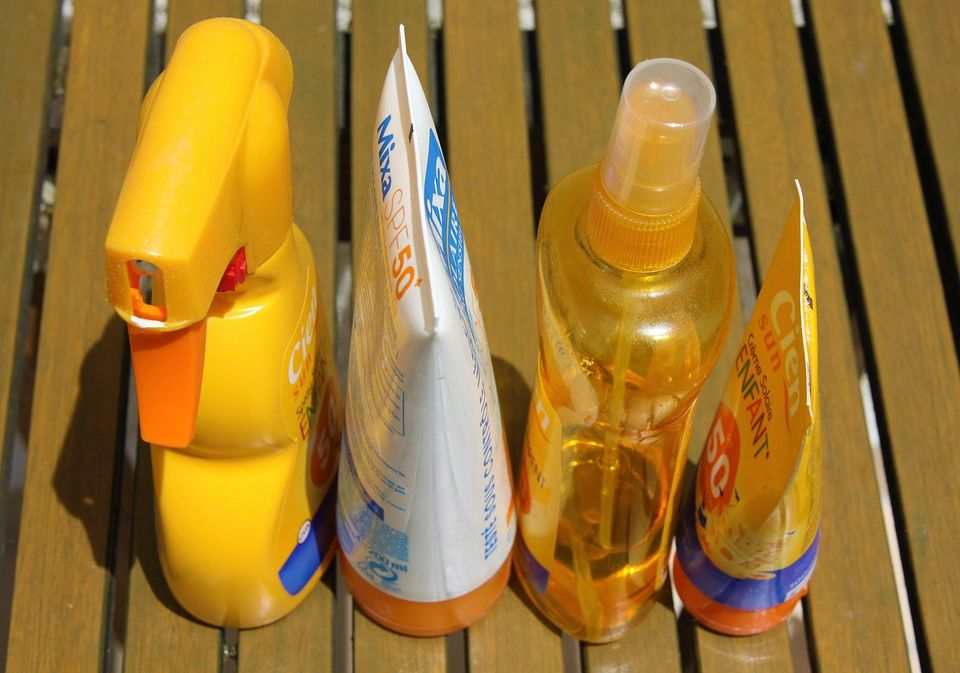
Mineral vs chemical sunscreen explained in plain words: feel, white cast, sensitive skin and kids. The verdict: the best one is the one you will wear.
Camille Laurent4 min read
Electric vs manual toothbrush: which should you use
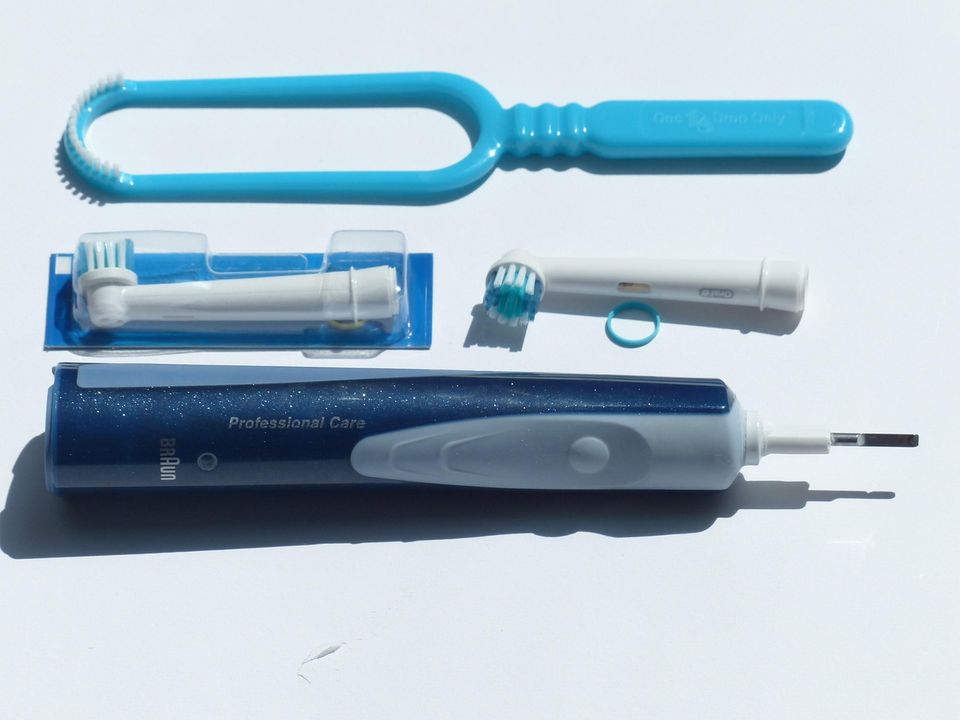
Both clean teeth if you use them properly. Here is the one case where electric is clearly better, and the cases where a manual brush is fine.
Camille Laurent4 min read

Air dry vs blow dry hair: which is better for your hair
Air dry vs blow dry hair: air drying avoids heat, but long wet hair can feel heavy and tangled. A blow dryer on a low setting is fine for most people.
Camille Laurent2 min read
Electric razor vs safety razor: which gives a better shave
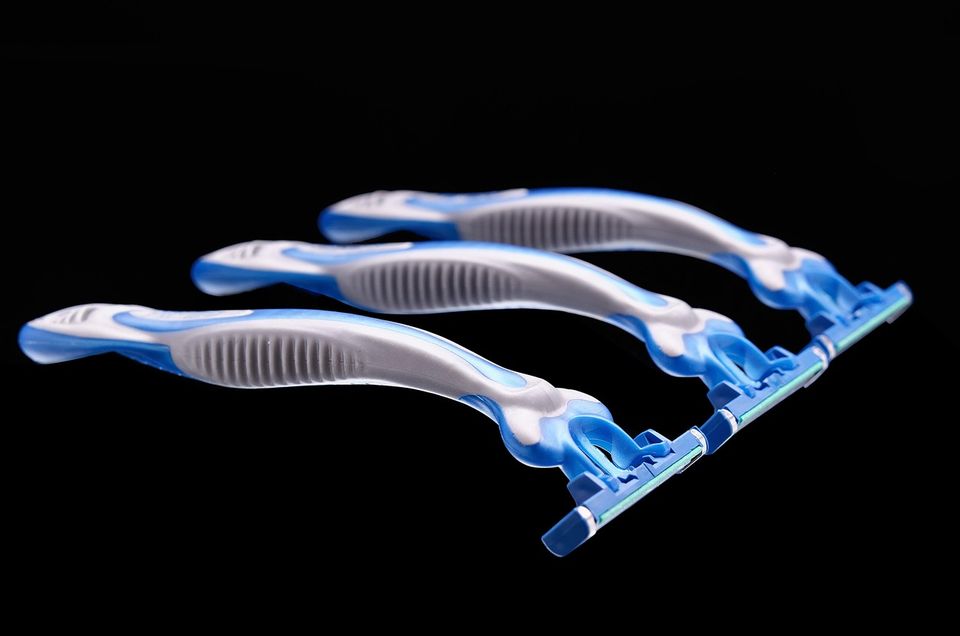
Electric razor vs safety razor: electric is faster and kinder to sensitive skin, while a safety razor gives a closer shave for less money over time.
Camille Laurent4 min read