
Electric vs manual toothbrush: which should you use
Both clean teeth if you use them properly. Here is the one case where electric is clearly better, and the cases where a manual brush is fine.
Camille Laurent4 min read
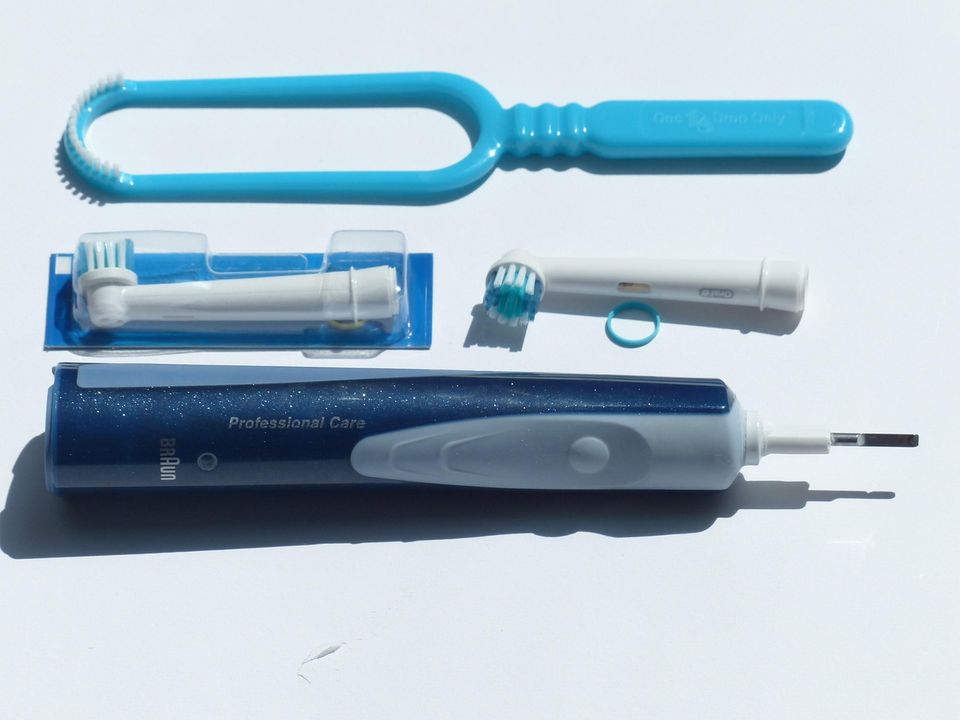
Verdict: electric wins for most people, but only by a little, and only if you stop rushing. A manual brush used well beats an electric one used badly. The question is which one you will use correctly every morning.
Which wins on
| Factor | Electric | Manual |
|---|---|---|
| Timing | Electric. Built-in timers keep you at two minutes | Needs a clock or a habit |
| Pressure | Electric, if the model has a pressure warning | Easy to press too hard |
| Hand control | Electric. The motor does the movement | Needs steady strokes |
| Cost over time | Heads and charging add up | Manual. Cheap to replace |
| Travel | Manual. Nothing to charge | Electric needs a charger or batteries |
| Lifespan | Handle lasts years, heads need swapping | Replace the whole brush |
What the dental authority says
The American Dental Association says electric and manual brushes both work for cleaning teeth, and that the best brush is the one that you use properly. It advises brushing twice a day for two minutes and replacing a brush or head about every three to four months, or sooner if the bristles fray. See the ADA's toothbrush guidance for the details.
Neither type fixes a poor technique. Neither replaces flossing or a dental check-up.
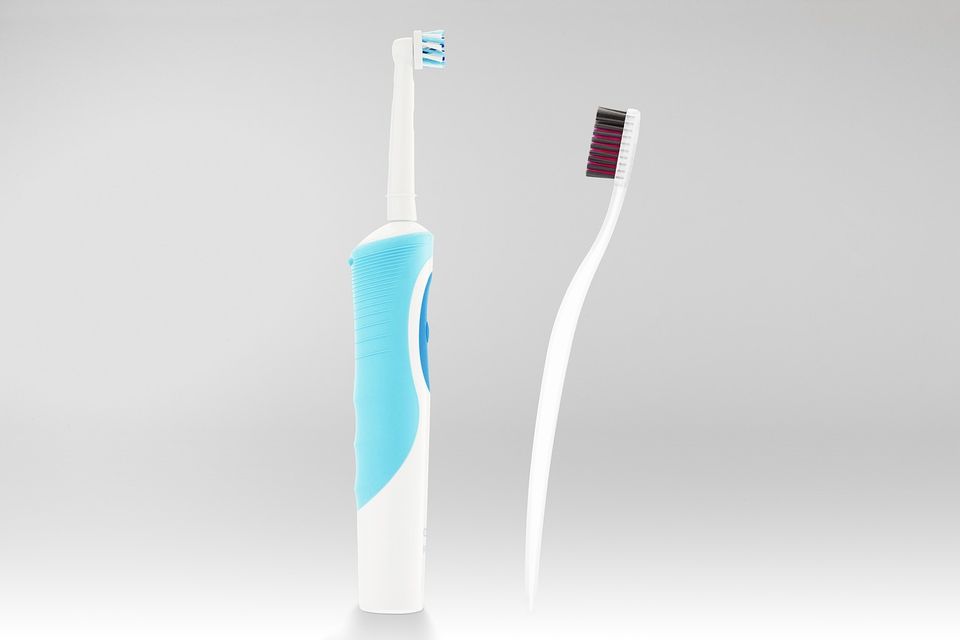
Pick electric if
- You rush and finish in under a minute.
- You press hard. Many electric brushes warn you or stop when you do.
- You have arthritis, a tremor or any limit in your hands. Check with your dentist.
- You wear braces. Ask your orthodontist which head to use.
- You want a built-in two-minute timer without thinking about it.
Pick manual if
- You brush properly now and your dentist has no complaints.
- You travel often and dislike chargers.
- You want the lowest running cost.
- You do not like the vibration.
The difference that matters
Habit, not hardware. An electric brush shifts the work from your hand to a motor. If your technique is already good, you gain little. If it is not, you gain a lot.
How to choose between electric types
Electric brushes come in two main motions: oscillating-rotating heads and sonic (side-to-side vibration). Both are accepted by dental bodies. Pick by feel, head size and how easy replacement heads are to find. A small round head and a compact oval head suit different mouths.
Cost over time
A manual brush costs little and gets thrown out whole. An electric brush has a higher entry cost, then a head every few months. Over several years the gap is real but not large. If money is the only issue, buy manual and replace it on time. If a dentist has told you to improve your technique, electric is a sensible spend.
Weighing running cost against upfront cost also decides air fryer versus convection oven, and it matters for running versus walking shoes where foam wears out. The same thinking applies to other swaps where the cheaper option does the same core job. Our guide to comparing two products fairly covers how to count running costs before you buy.
When to ask a dentist
Ask before you switch if you have gum disease, sensitive teeth, implants or orthodontic work. They can tell you which head and which motion fits your mouth, and whether to change anything at all.
Common mistakes with either type
- Scrubbing hard. Gentle contact along the gumline cleans better than force.
- Keeping a worn brush. Frayed bristles clean poorly, and a head that looks fine may still be past its date.
- Skipping the back teeth and the tongue side of the lower front teeth.
- Brushing straight after acidic food or drink. Ask your dentist whether to wait.
- Treating the brush as a replacement for flossing.
Quick rule
Do you reliably brush for two minutes, gently, twice a day? Keep your manual brush. If you cannot say yes, buy electric and use the timer.
More to read
Keep reading
Gel vs cream moisturizer for oily skin
Gel vs cream moisturizer for oily skin: gel is the usual pick for a light feel, but dry patches and cold weather can change the answer.
Camille Laurent2 min read

Shampoo bar vs bottled shampoo: which is better
Shampoo bar vs bottled shampoo compared on travel, hair type, hard water, cost per wash and waste. Verdict: bars win for travel, bottles for easy lather.
Camille Laurent4 min read
Mineral vs chemical sunscreen: which one to wear
Mineral vs chemical sunscreen explained in plain words: feel, white cast, sensitive skin and kids. The verdict: the best one is the one you will wear.
Camille Laurent4 min read

Air dry vs blow dry hair: which is better for your hair
Air dry vs blow dry hair: air drying avoids heat, but long wet hair can feel heavy and tangled. A blow dryer on a low setting is fine for most people.
Camille Laurent2 min read
Electric razor vs safety razor: which gives a better shave
Electric razor vs safety razor: electric is faster and kinder to sensitive skin, while a safety razor gives a closer shave for less money over time.
Camille Laurent4 min read
Chemical vs physical exfoliant: which one suits your skin
Chemical vs physical exfoliant: acids dissolve dead skin gently, while scrubs lift it by hand. Learn which suits sensitive, oily or dry skin and how often.
Camille Laurent4 min read