
Mineral vs chemical sunscreen: which one to wear
Mineral vs chemical sunscreen explained in plain words: feel, white cast, sensitive skin and kids. The verdict: the best one is the one you will wear.
Camille Laurent4 min read
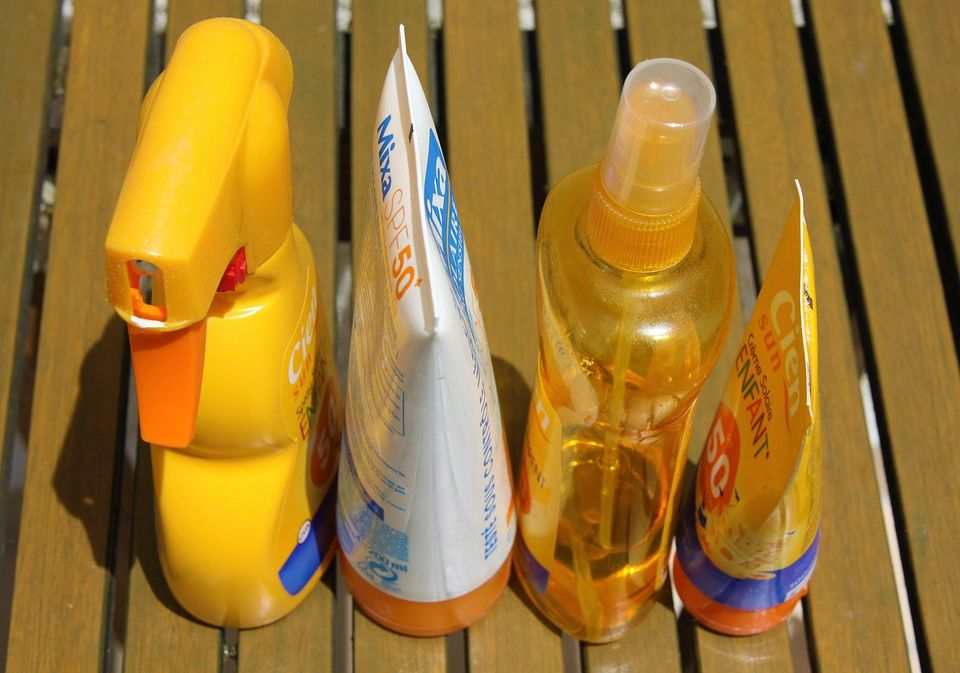
Verdict: the best sunscreen is the one you will put on every day and top up. Texture decides that, so use it to choose. Both types protect when the label says broad spectrum and you use enough. Skip the fight. Pick on feel.
What the words mean
Mineral sunscreen uses minerals, usually zinc oxide or titanium dioxide. They sit on top of the skin and block and scatter light. Some people call it "physical" sunscreen.
Chemical sunscreen uses ingredients that soak into the top layer of skin. They take in UV light and release it as a small amount of heat. Some people call it "organic" sunscreen, which has nothing to do with food.
Many bottles mix both. Check the active ingredients list on the back if you want to know which you have. The US FDA sunscreen page explains the labels in plain terms.
Which wins on
| Factor | Mineral | Chemical |
|---|---|---|
| White cast | Chemical. Mineral often leaves a pale film, worse on deeper skin tones | Usually clear once rubbed in |
| Feel on skin | Chemical. Lighter and thinner | Mineral can feel thick or chalky |
| Sensitive skin | Mineral. Fewer ingredients, owners often find it gentler | Can sting around the eyes for some people |
| Kids | Mineral is the common first pick for children | Fine for many children, check the label |
| Under makeup | Chemical. Blends and layers more easily | Mineral can pill or look patchy |
| Sweat and swim | Tie. Look for a water resistant label | Tie |
| Starts working | Mineral, right away | Chemical, typically after about 15 minutes |
| Cost | Tie. Both come in $ to $$$ | Tie |
Pick mineral if
- Your skin stings or turns red with many creams.
- You are buying for a young child.
- You want a short ingredient list.
- You do not mind a little white film, or you use a tinted one.
Pick chemical if
- White cast bothers you, especially on deeper skin tones.
- You wear it every day under makeup.
- You want a thin, fast-absorbing feel.
- You are heading out for a run and want something light.
The difference that matters
The label matters more than the type. A good sunscreen says broad spectrum, which means it covers both kinds of UV rays. It also has an SPF number of 30 or higher.
Then comes the part people skip. Most people put on too little. A common rule is about a teaspoon for the face and neck, and a shot-glass amount for the body. Put more on after swimming, heavy sweating or about every two hours outdoors.
A weak sunscreen you wear daily beats a perfect one that sits in the cupboard.
Rule: choose the type you enjoy putting on, then check broad spectrum and SPF 30 or more.
A short caution
Sunscreen is not the only tool. Shade, a hat and covered arms do part of the job. Babies under six months are usually kept out of direct sun, and sunscreen advice for them is a question for a doctor.
If you have eczema, a skin condition, a reaction history or take medicine that makes skin sun-sensitive, ask a doctor or pharmacist before you pick. This page is general information, not medical advice.
If you are also sorting out the rest of your routine, the same logic applies in gel vs cream moisturizer for oily skin. And if you want a method for weighing any two products, see five questions before any vs purchase.
Quick questions
Is mineral sunscreen better for sensitive skin?
Owners with sensitive skin often find mineral gentler, because the formula is simple. It is not a promise. If you react to a product, stop using it and ask a pharmacist.
Can I use chemical sunscreen on my kids?
Many families do. Mineral is a common first pick for young children. Check the label for age advice and ask a doctor if unsure.
How do I avoid white cast with mineral sunscreen?
Look for a tinted mineral formula, rub it in well in thin layers, and use a little less per pass, then add another layer.
Is mineral sunscreen less effective than chemical?
No. Either type protects when it is broad spectrum, SPF 30 or higher, applied thickly and reapplied.
More to read
Keep reading
Gel vs cream moisturizer for oily skin
Gel vs cream moisturizer for oily skin: gel is the usual pick for a light feel, but dry patches and cold weather can change the answer.
Camille Laurent2 min read

Shampoo bar vs bottled shampoo: which is better
Shampoo bar vs bottled shampoo compared on travel, hair type, hard water, cost per wash and waste. Verdict: bars win for travel, bottles for easy lather.
Camille Laurent4 min read
Electric vs manual toothbrush: which should you use
Both clean teeth if you use them properly. Here is the one case where electric is clearly better, and the cases where a manual brush is fine.
Camille Laurent4 min read

Air dry vs blow dry hair: which is better for your hair
Air dry vs blow dry hair: air drying avoids heat, but long wet hair can feel heavy and tangled. A blow dryer on a low setting is fine for most people.
Camille Laurent2 min read
Electric razor vs safety razor: which gives a better shave
Electric razor vs safety razor: electric is faster and kinder to sensitive skin, while a safety razor gives a closer shave for less money over time.
Camille Laurent4 min read
Chemical vs physical exfoliant: which one suits your skin
Chemical vs physical exfoliant: acids dissolve dead skin gently, while scrubs lift it by hand. Learn which suits sensitive, oily or dry skin and how often.
Camille Laurent4 min read