
Electric razor vs safety razor: which gives a better shave
Electric razor vs safety razor: electric is faster and kinder to sensitive skin, while a safety razor gives a closer shave for less money over time.
Camille Laurent4 min read
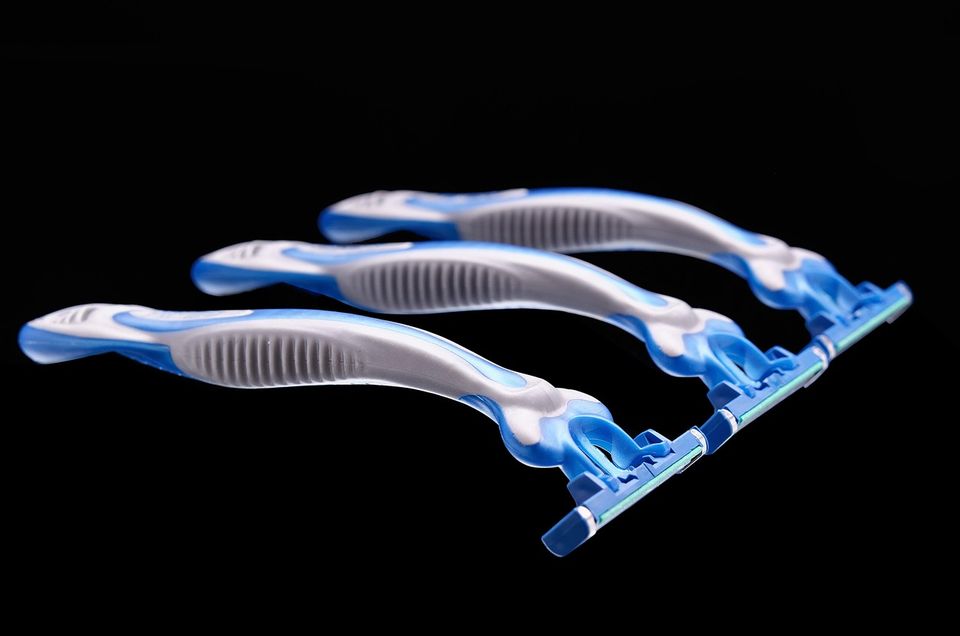
Verdict: the electric razor wins on speed and comfort, the safety razor wins on closeness and running cost. If you shave in a rush or get razor burn, go electric. If you enjoy a slower routine, a safety razor is worth learning.
Electric razor vs safety razor is a choice between convenience and technique. An electric razor cuts with a moving foil or rotary head and does not touch the skin much. A safety razor is a metal handle holding a single sharp blade, with a guard.
Which wins on
| Factor | Electric razor | Safety razor |
|---|---|---|
| Speed | Electric. A few minutes, often dry | Slower. Needs lather and care |
| Closeness | Safety razor. Usually closer | Safety razor |
| Sensitive skin | Electric. Less pulling | Can irritate if you press or go too fast |
| Running cost | Safety razor. Blades are cheap | Safety razor |
| Learning curve | Electric. Almost none | Takes practice |
| Travel | Electric. No blades to explain | Blades must go in checked bags on planes |
| Upfront cost | Safety razor is typically $ | Electric is $$ to $$$ |
Pick the electric razor if
- You shave in a hurry most days.
- You get razor burn or bumps.
- You want to shave without water or foam.
- You travel often and carry hand luggage only.
Pick the safety razor if
- You want the closest shave you can get.
- You like a slow routine at the sink.
- You want to cut running costs and plastic waste.
- You are willing to practice for a few weeks.
Learning the safety razor
A safety razor is simple but not forgiving. Use a light hand. Let the weight of the razor do the work. Hold the angle the maker suggests and shave with the grain first. Rinse the blade often. A fresh blade matters more than most people expect, and a dull blade tugs and cuts.

Worked example
Say you shave daily. With an electric razor, it takes a few minutes and you leave the house. With a safety razor, add lather, a pass or two, and a rinse, maybe a few minutes more. Over a year, the safety razor blades cost very little. The electric razor has a higher price tag, plus the occasional new foil or head.
The difference that matters
Your skin. If razor burn keeps coming back, the electric razor is the likelier fix. If your skin is fine and you want the best finish, the safety razor is likelier to deliver it.
Caution
Dispose of used blades in a sealed container, such as a blade bank, a tin or a rigid bottle. Never put loose blades in the bin. Skin that stays red, bumpy or infected needs a doctor or pharmacist, not a different razor. For other grooming swaps, see electric vs manual toothbrush.
Common mistakes
- Pressing hard with a safety razor. Light strokes work better.
- Keeping one blade for weeks.
- Shaving dry with a blade.
- Switching to electric and giving up after two days. Skin often needs a couple of weeks to adjust.
For another daily habit swap, see bar soap vs body wash.
Quick questions
Is an electric razor better for sensitive skin?
In general yes. It does not drag a blade across the skin. Results vary by person.
Which gives a closer shave?
A safety razor usually, if used well. Foil electric razors can get close too.
Are safety razors cheaper?
Blades cost less than cartridge refills. The handle can be a one time buy.
Can I take a safety razor on a plane?
Check the airline and airport rules. Blades are often not allowed in hand luggage.
More to read
Keep reading

Gel vs cream moisturizer for oily skin
Gel vs cream moisturizer for oily skin: gel is the usual pick for a light feel, but dry patches and cold weather can change the answer.
Camille Laurent2 min read

Shampoo bar vs bottled shampoo: which is better
Shampoo bar vs bottled shampoo compared on travel, hair type, hard water, cost per wash and waste. Verdict: bars win for travel, bottles for easy lather.
Camille Laurent4 min read
Mineral vs chemical sunscreen: which one to wear
Mineral vs chemical sunscreen explained in plain words: feel, white cast, sensitive skin and kids. The verdict: the best one is the one you will wear.
Camille Laurent4 min read
Electric vs manual toothbrush: which should you use
Both clean teeth if you use them properly. Here is the one case where electric is clearly better, and the cases where a manual brush is fine.
Camille Laurent4 min read

Air dry vs blow dry hair: which is better for your hair
Air dry vs blow dry hair: air drying avoids heat, but long wet hair can feel heavy and tangled. A blow dryer on a low setting is fine for most people.
Camille Laurent2 min read
Chemical vs physical exfoliant: which one suits your skin
Chemical vs physical exfoliant: acids dissolve dead skin gently, while scrubs lift it by hand. Learn which suits sensitive, oily or dry skin and how often.
Camille Laurent4 min read