
Gel vs cream moisturizer for oily skin
Gel vs cream moisturizer for oily skin: gel is the usual pick for a light feel, but dry patches and cold weather can change the answer.
Camille Laurent2 min read
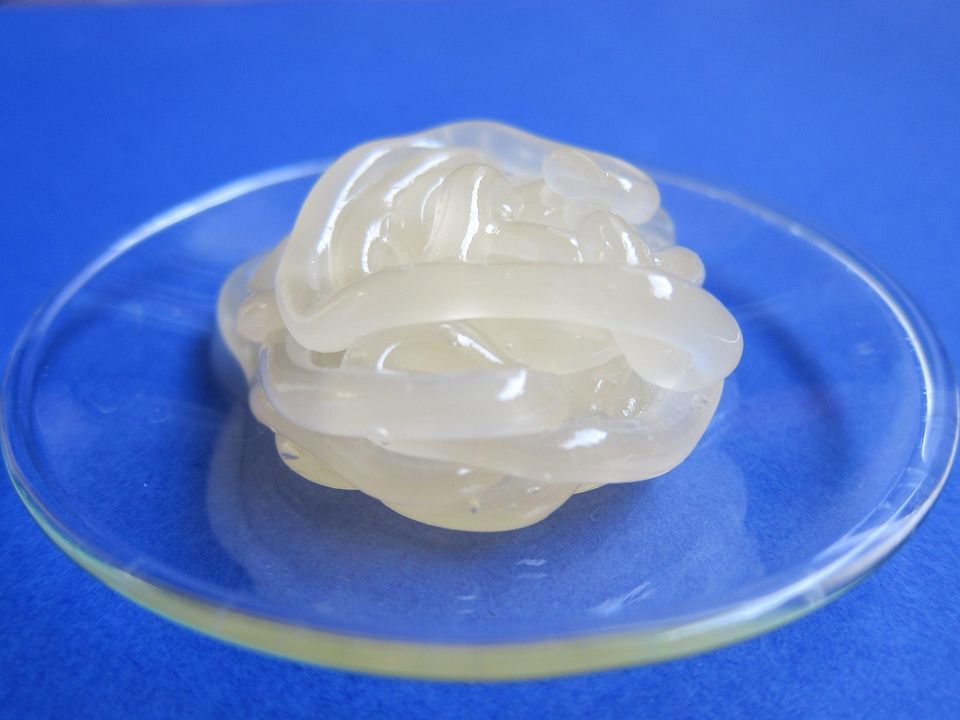
Should you use a gel or a cream moisturizer for oily skin? Gel, in most cases.
Oily skin still needs water. Skipping moisturizer can leave skin tight, and some people notice it then looks oilier. The goal is to add water without adding a heavy film.
Why gel usually wins
Gels are mostly water. They sink in fast, feel cool and rarely leave a shine. Creams carry more oil and wax, so they sit on top longer. On oily skin that can feel greasy by lunchtime.
Look for words like "oil-free", "lightweight" or "non-comedogenic". That last term means the maker designed it not to block pores. It is a hint, not a guarantee.
Gel or cream: a quick check
- T-zone shines by noon, cheeks feel normal: gel.
- Skin feels tight after washing: try a light lotion or thin cream.
- Wearing makeup: gel layers better and pills less.
- Using strong acne treatments: a gentle cream may soothe dry patches.
When a cream wins
Skin type is not fixed. Oily in summer can turn dry in winter, especially with heating on. Some people have oily centers and dry cheeks. A thin cream on the dry spots and gel on the rest is a fair answer.
A cream is also a better pick if your skin flakes. Flaking often means a lack of water or a damaged skin barrier, and a gel alone may not hold it in.
How much to use
A pea to a nickel-sized amount covers the face. More is not better. Apply to slightly damp skin after washing, and let it dry for a minute before sunscreen. If you are choosing sunscreen too, see mineral vs chemical sunscreen.
If you have acne, rosacea, eczema or a rash, ask a doctor or pharmacist before changing products. This is general information, not medical advice.
Rule: start with gel. Move to cream only when your skin tells you it is dry.
More to read
Keep reading

Shampoo bar vs bottled shampoo: which is better
Shampoo bar vs bottled shampoo compared on travel, hair type, hard water, cost per wash and waste. Verdict: bars win for travel, bottles for easy lather.
Camille Laurent4 min read
Mineral vs chemical sunscreen: which one to wear
Mineral vs chemical sunscreen explained in plain words: feel, white cast, sensitive skin and kids. The verdict: the best one is the one you will wear.
Camille Laurent4 min read
Electric vs manual toothbrush: which should you use
Both clean teeth if you use them properly. Here is the one case where electric is clearly better, and the cases where a manual brush is fine.
Camille Laurent4 min read
Air dry vs blow dry hair: which is better for your hair
Air dry vs blow dry hair: air drying avoids heat, but long wet hair can feel heavy and tangled. A blow dryer on a low setting is fine for most people.
Camille Laurent2 min read
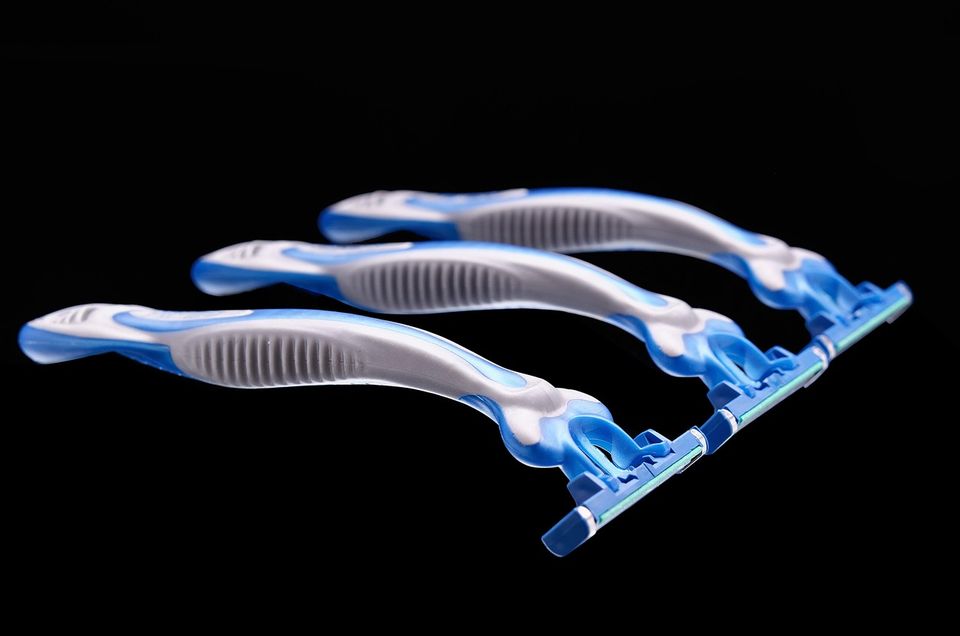
Electric razor vs safety razor: which gives a better shave
Electric razor vs safety razor: electric is faster and kinder to sensitive skin, while a safety razor gives a closer shave for less money over time.
Camille Laurent4 min read
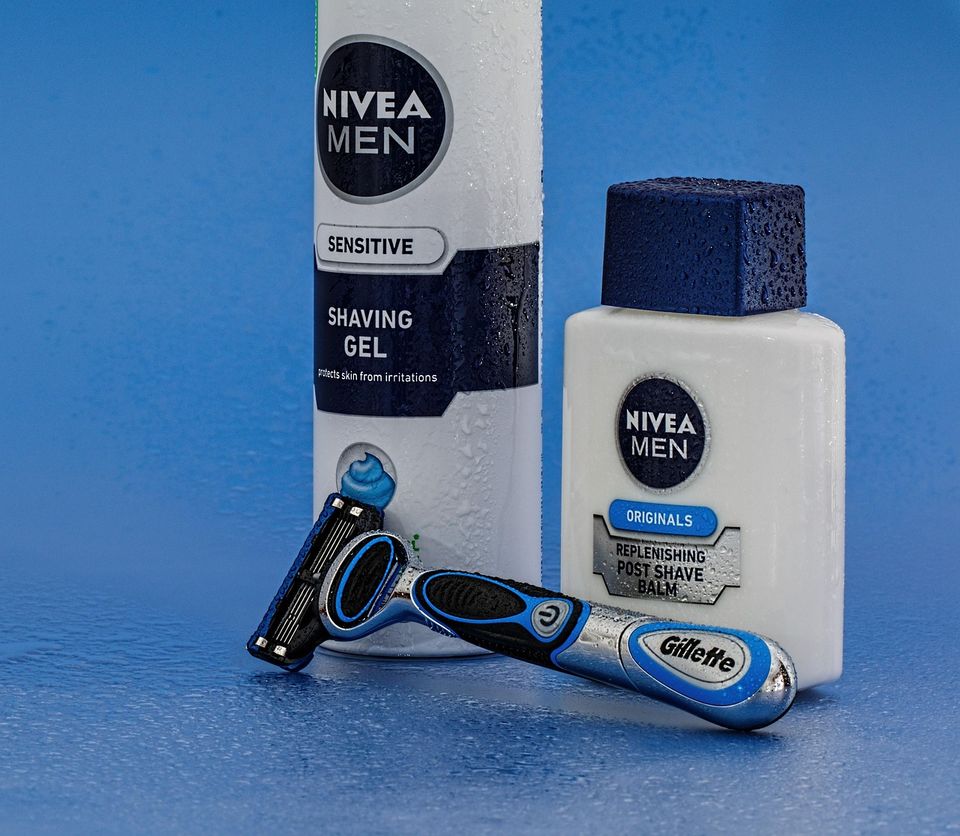
Chemical vs physical exfoliant: which one suits your skin
Chemical vs physical exfoliant: acids dissolve dead skin gently, while scrubs lift it by hand. Learn which suits sensitive, oily or dry skin and how often.
Camille Laurent4 min read